
The Practice of Seeing
Why I Am Making One Photograph Every Day for a Year
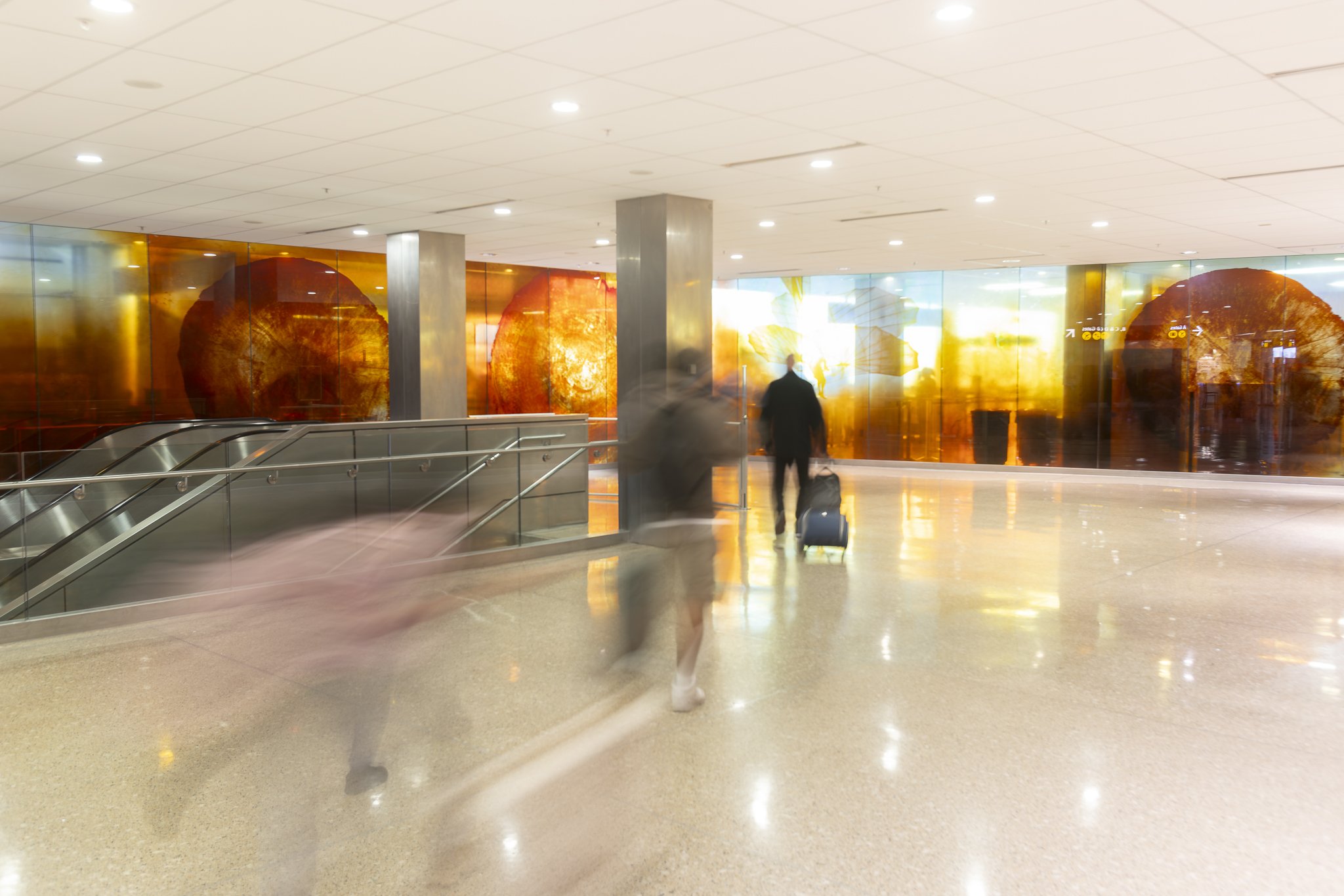
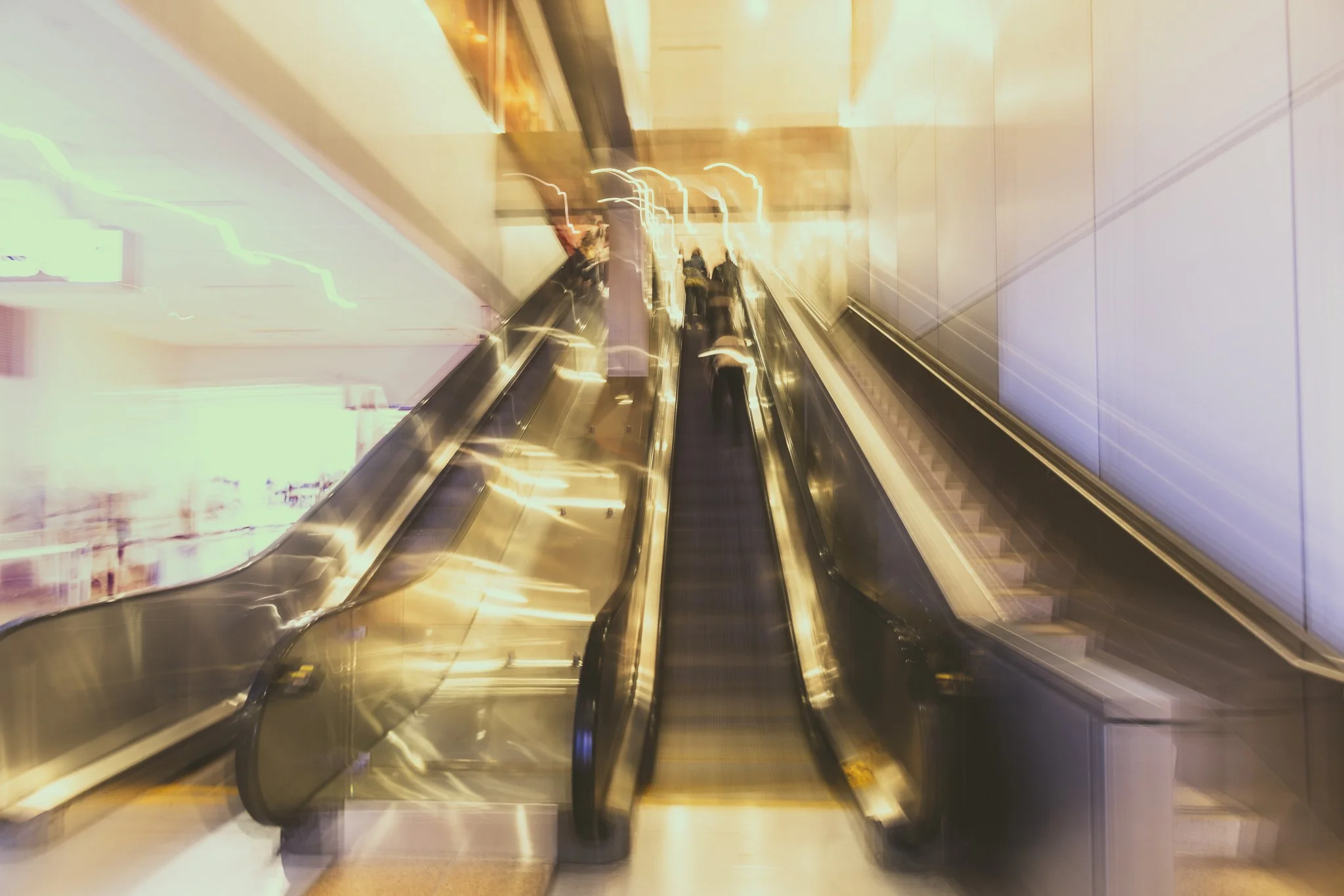
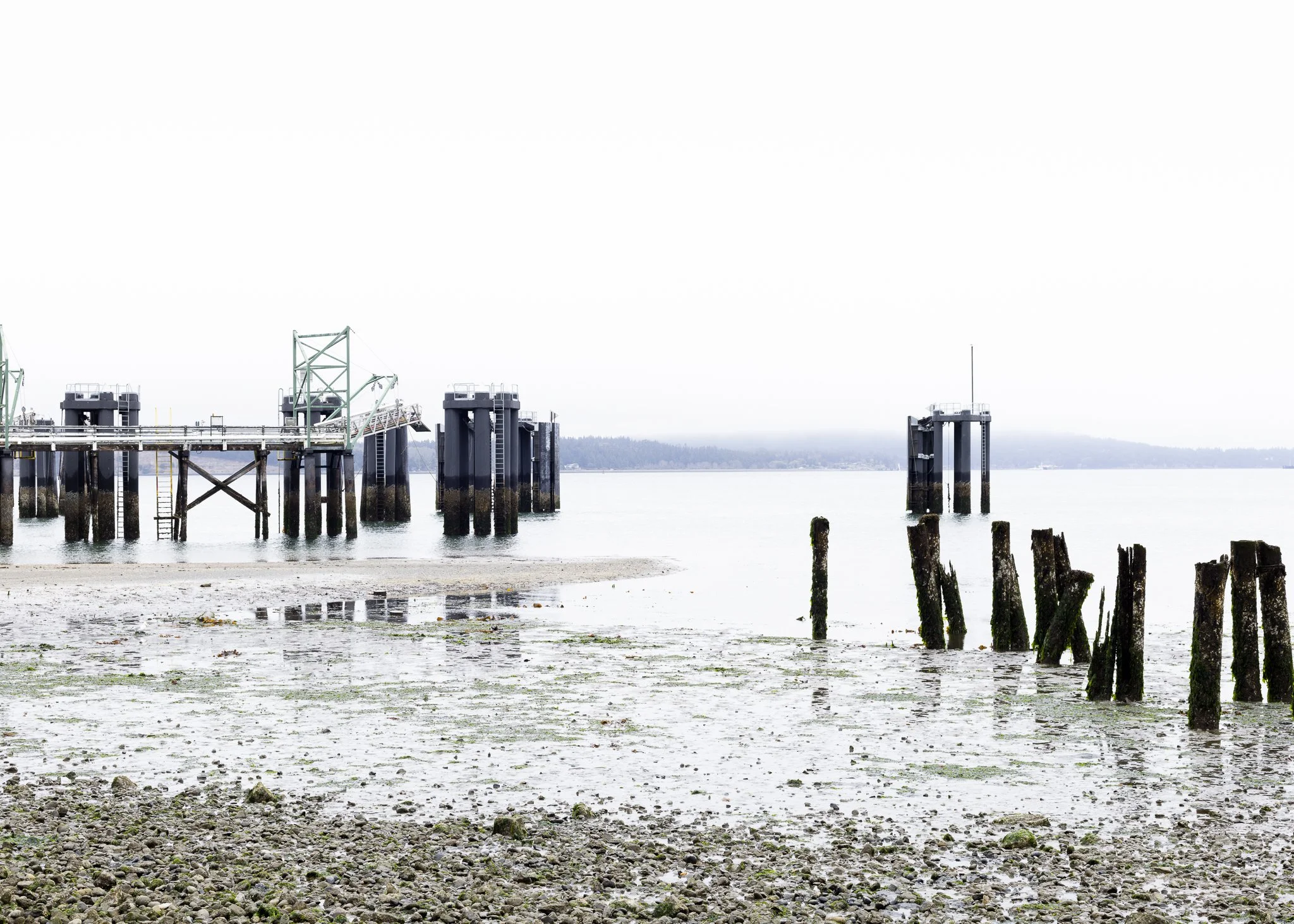
I have decided to make one photograph every day for 365 days.
The decision was not made lightly. My life and travel schedules are already overly demanding. As a medtech product executive, designer, maker, husband, father, and farmer, I am not searching for another obligation. Most days have little unclaimed space in them.
But that is precisely why this project matters.
For too long, I went without photographing with purpose. I still made pictures, of course. Like everyone else, I carried a phone with an increasingly capable camera. The technology became so good, and so effortless, that it was easy to mistake recording for seeing.
The limitation was not the phone. It was me.
Convenience had slowly removed intention from the act. I could collect an image without fully entering the moment that produced it. I could point, capture, and move on.
Making a photograph with my Canon R5 Mark II feels different. A purpose-built camera introduces useful friction. I must carry it. I must decide where to stand. I must choose a lens, an aperture, a shutter speed, a point of focus, and the precise boundaries of the frame. Each decision asks me to remain present a little longer.
The camera changes my posture toward the world.
This year is not about producing 365 masterpieces. It is not an attempt to satisfy an algorithm or manufacture an audience. It is a commitment to 365 deliberate acts of attention.
I am trying to reengage with my visual self.
The First Camera
My education in seeing began with my father.
He was the production manager of Rolling Stone magazine and a lifelong observer. Before I understood what his job meant, I understood that images mattered to him. I remember crawling around in the darkness of the master bathroom while he worked for hours making color enlargements. Photography was not an abstract medium in our house. It was chemical, tactile, time-consuming, and alive.
My father gave me my first camera, a “Nikon F something,” as I later described it. I walked around pointing it everywhere. There was only one problem: he had not given me any film.
I made countless imaginary photographs.
At the time, I may have been disappointed. Looking back, I think the unloaded camera taught me something essential. Without film, the only thing left to practice was seeing. I learned to organize the world within four edges. Even now, I sometimes feel as if I see naturally in squares and rectangles.
My father eventually reclaimed the Nikon and replaced it with my grandfather’s Agfa Isolette, a folding medium-format camera made in postwar Germany around 1954. It was less contemporary and far simpler, but it became the instrument through which I began to understand what photography could do.
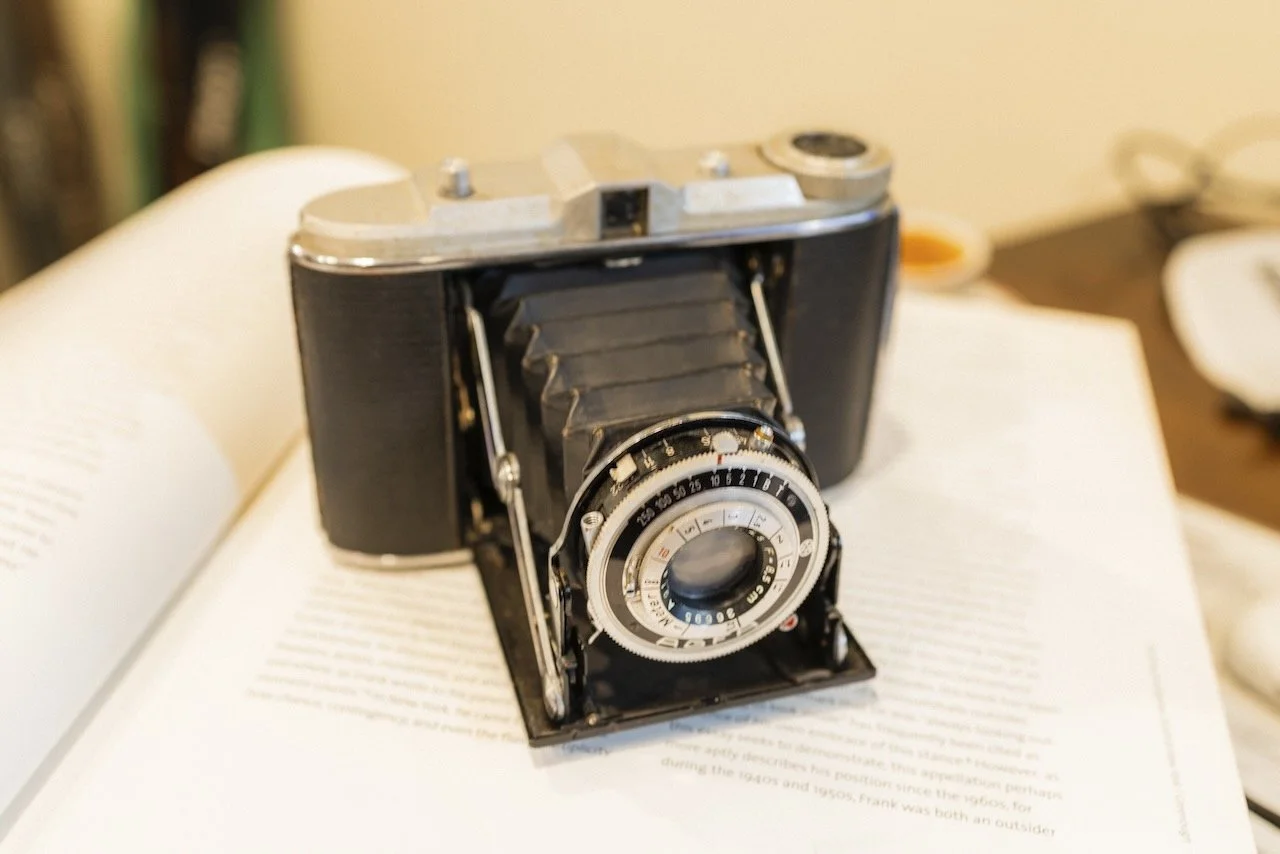
My Grandfather’s
Original Agfa Isolette
A 120mm film folding camera with an 85mm F4.5 lens. Still working to this today.
The Isolette required the photographer to advance the film manually. Forgetting to advance it made multiple exposures easy. Knowing I had only twelve frames, I began loading several moments onto a single negative.
I pointed the camera toward the moon and released the shutter again and again without winding the film. Many moons accumulated within one frame. I photographed people moving through the same place over several hours. When the film was developed, ghostlike figures occupied the image together, overlapping without having shared the same moment or exchanged a single word.
The camera had recorded something that had never existed in front of it.
That realization changed everything.
Photography could describe the visible world, but it could also transform it. It could compress time, invent relationships, preserve absence, and reveal structures hidden from ordinary perception. The photograph was not simply evidence of what had been there. It was a new object with its own reality.
Looking Is Not Seeing
Creating an image is also an act of mindfulness.
There is a meaningful difference between looking and seeing. Looking is largely automatic. It gets us through the day. Seeing requires a more intentional awareness. It asks us to slow down, observe relationships, and remain with uncertainty.
When I photograph, I become attentive to things that ordinarily disappear beneath familiarity: the interval between columns, a reflection that confuses space, a human figure dissolving through a long exposure, or the place where light stops describing an object and becomes an object itself.
A tree becomes a set of vertical lines.
A highway becomes geometry.
A person becomes a trace.
A window becomes a field of light.
Architecture becomes rhythm.
Eventually, the thing gives way to its form.
That kind of attention often continues after I lower the camera. Problems that resisted direct thought begin to loosen. Ideas reorganize themselves. Relationships I could not see at my desk become visible while I am walking, framing, excluding, and waiting.
Photography does not always give me an answer. More often, it changes the quality of the question.
The Discipline of Omission
Photography is an art of reduction.
It involves isolation, removal, selection, refinement, and story. We begin with an immeasurably busy and complex world and, therefore, must decide what deserves to remain inside a rectangle.
What we leave out is equally, if not more, important than what we leave in.
This is one reason the photographers and artists who have shaped my thinking remain so important to me. Robert Frank’s The Americans demonstrated that individual photographs could accumulate into something larger through sequence. His images did not merely document a country; they revealed tensions, rituals, divisions, loneliness, and contradictions beneath its familiar surfaces.
William Eggleston taught generations of photographers that the commonplace deserved sustained attention and that color could be structural rather than decorative. The ordinary world did not need to become spectacular before it could become meaningful.
In Christian Boltanski’s work, photographs, light, anonymous faces, and accumulated objects become witnesses to memory, time, disappearance, and loss. His work reminds me that an image may be most powerful when it points toward someone or something no longer present.
Lorna Simpson demonstrates how photographs and language can complicate one another. Her work with unidentified figures, fragments, repetition, and text denies the viewer easy mastery. It makes our assumptions part of the subject. The image does not simply provide information; it reveals how urgently we try to complete what has been withheld.
And Minor White pursued photography as metaphor and inner experience. His landscapes, surfaces, bodies, and sequences reach beyond their literal subjects. They suggest that the external world can become a mirror for an interior one.
These artists differ profoundly, but each demonstrates that a photograph need not explain itself completely. It can invite participation. It can compel without answering.
That is the territory I want to inhabit.
The Artist and the Executive
My photographic practice is not separate from my career in medtech and medical-device design. The two are deeply connected.
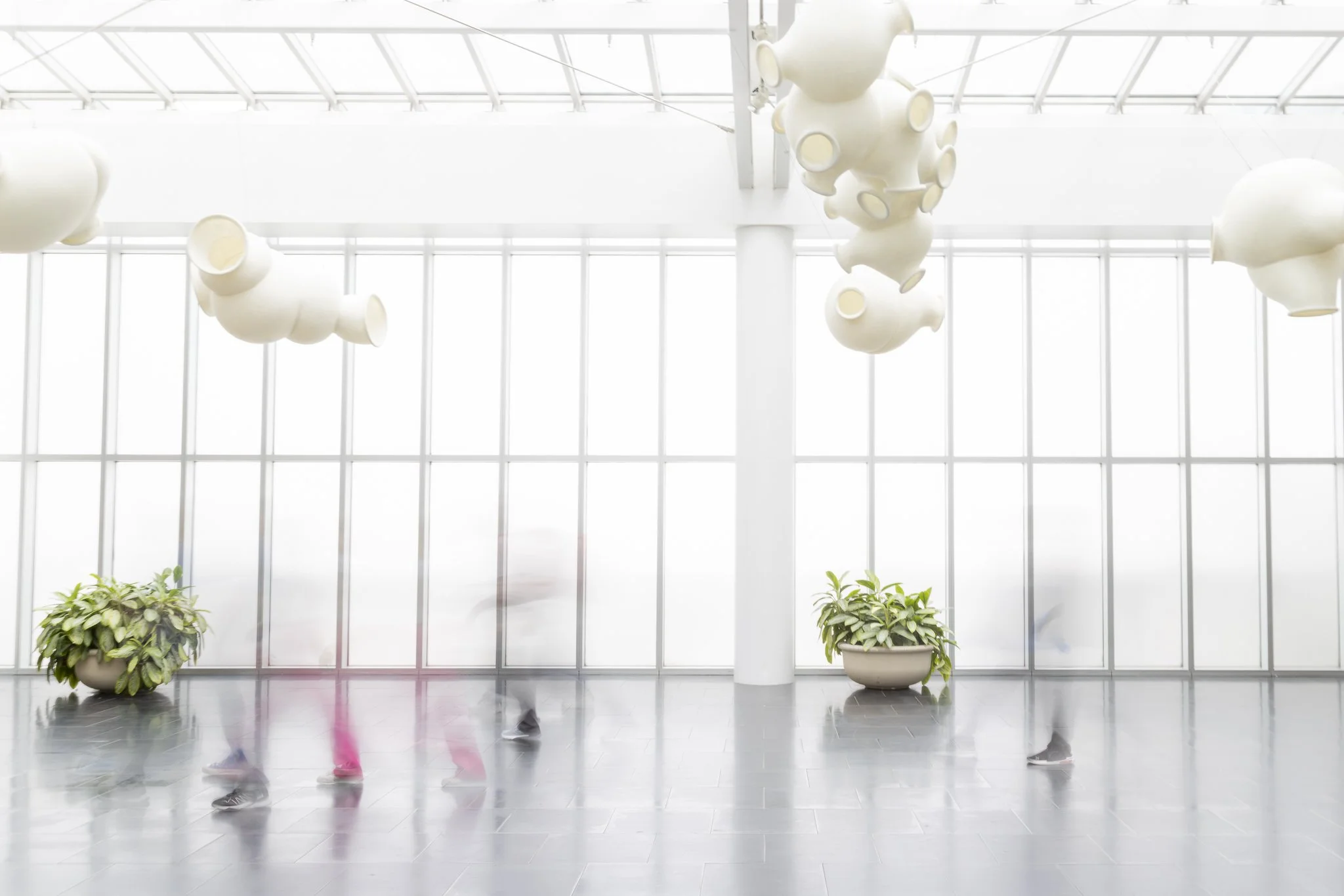
From the series: What remains. What passes through.
Design is also an act of reduction. A product begins amid enormous complexity: clinical needs, human behavior, technological constraints, business realities, regulatory requirements, risk, emotion, and competing possibilities. The designer’s responsibility is not to display all that complexity. It is to determine what matters and give it a comprehensible form.
What must remain?
What can be removed?
Where should attention go?
What should the experience make possible?
What should the product refuse to do?
Those are questions of composition.
In photography, I organize light, time, distance, form, and human presence within the frame. In product development, I organize technology and interaction around a human need. Both disciplines require observation before intervention. Both depend upon hierarchy, restraint, and empathy. Both improve when we can distinguish the essential from the merely available.
My visual instincts have influenced every product I have helped create. They shape the way I recognize patterns, communicate ideas, build teams around a vision, and imagine how a person might encounter an unfamiliar medical technology.
Photography strengthens those instincts because it returns me to observation without an agenda.
In my professional life, I am usually expected to solve something. Behind the camera, I am allowed to remain uncertain. I can notice before I name, explore before I justify, and make something simply because it resonates with me.
That freedom is not an escape from leadership. It makes me a more attentive leader.
Working Begets Working
The deeper purpose of making one photograph every day is to create continuity.
I tend to think in photographic series, but this project reverses the usual process. Instead of beginning with a concept and searching for images that fit it, I am making photographs and allowing recurring ideas to emerge over time.
Photographs first.
Patterns later.
Eventually, a body of work.
That distinction is liberating. It removes the pressure to know where the year is going. The daily practice becomes a kind of public sketchbook, evidence that I kept looking, kept choosing, and kept working.
Already, themes are emerging: permanence and transience, light as a form of concealment, human presence reduced to a trace, architecture reorganized through symmetry, and the tension between what remains and what merely passes through.
I could not have planned all of this in advance.
Working creates the conditions in which such discoveries become possible. Mistakes suggest the next experiment. A single photograph changes the meaning of the photograph beside it. A recurring visual instinct begins to look like a language.
Working begets working.
Without routine, many of these events simply do not occur.
Returning to Where I Began
Nothing satisfies me more than creating an image that inspires me.
For too long, I allowed that satisfaction to become secondary. The urgent responsibilities of building products, companies, and a life gradually displaced the quieter practice that helped form me.
This project is a way of slowing down.
It is a way of recentering on where I began as a product maker and reconnecting with the youthful exuberance of the child carrying an unloaded Nikon, then an Agfa Isolette while making frames before he fully understood what those frames might become.
I am not trying to become the photographer I was.
I am trying to discover the photographer I am.
At the end of 365 days, I hope to possess more than 365 images. I hope to have recovered a habit of attention. I hope the photographs will begin speaking to one another and reveal bodies of work I cannot yet anticipate. I hope to understand more clearly which images are truly mine: the ones I would make even if no one else ever saw them.
If those photographs resonate with another person, something meaningful may pass between us. But that connection cannot be the condition of making them.
The first responsibility is to see honestly.
Then to choose deliberately.
Then, to make the photograph.
““Appearances are for the blind: so we ought to look at things until we see what else they are.””
