
The Print
Where Photography Becomes Performance
There is a moment, often before I fully understand what has caught my attention, when the possibility of a photograph begins to emerge. It may be a particular arrangement of objects, a line interrupted by shadow, or a brief alignment of light and form. Whatever it is, something asks me to stop.
Upon noticing its potential, I begin to work. I frame out the distracting elements, crop the periphery, and simplify, reducing the budding photograph before me to what feels essential. I change my field of view, my angle of view, and sometimes my physical relationship to the subject. As I move, my perspective changes, and so does the light’s rendering of form and shadow.
This is not yet the photograph. It is the inception of one.
I keep testing the boundaries within and beyond the frame, looking for the point where the parts begin to belong to one another. A small shift to the left can change the tension between two forms. Lowering the camera can cause a line to divide the frame differently. Waiting a few seconds can let light reveal something movement had concealed.
Then, occasionally, the composition is born.
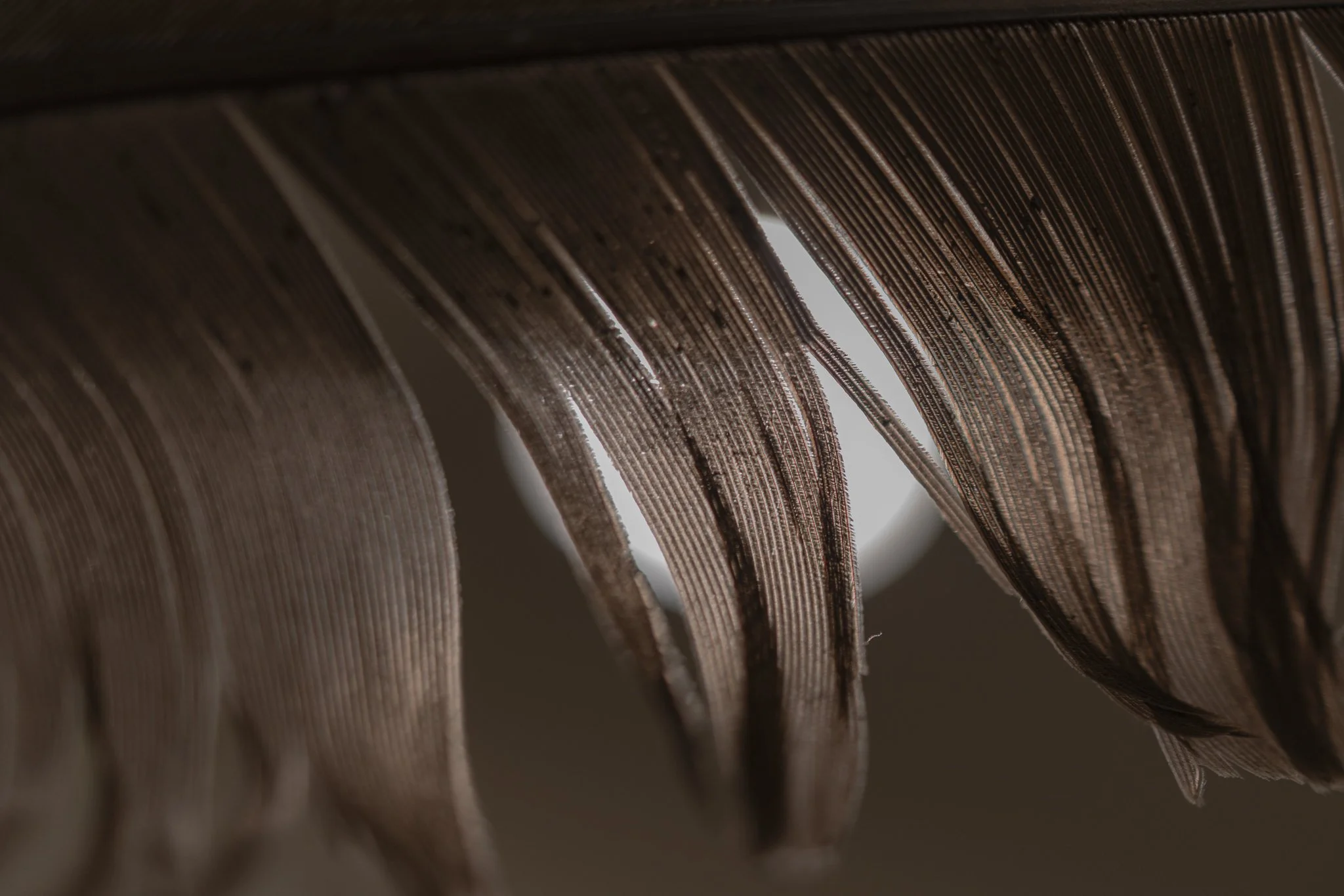
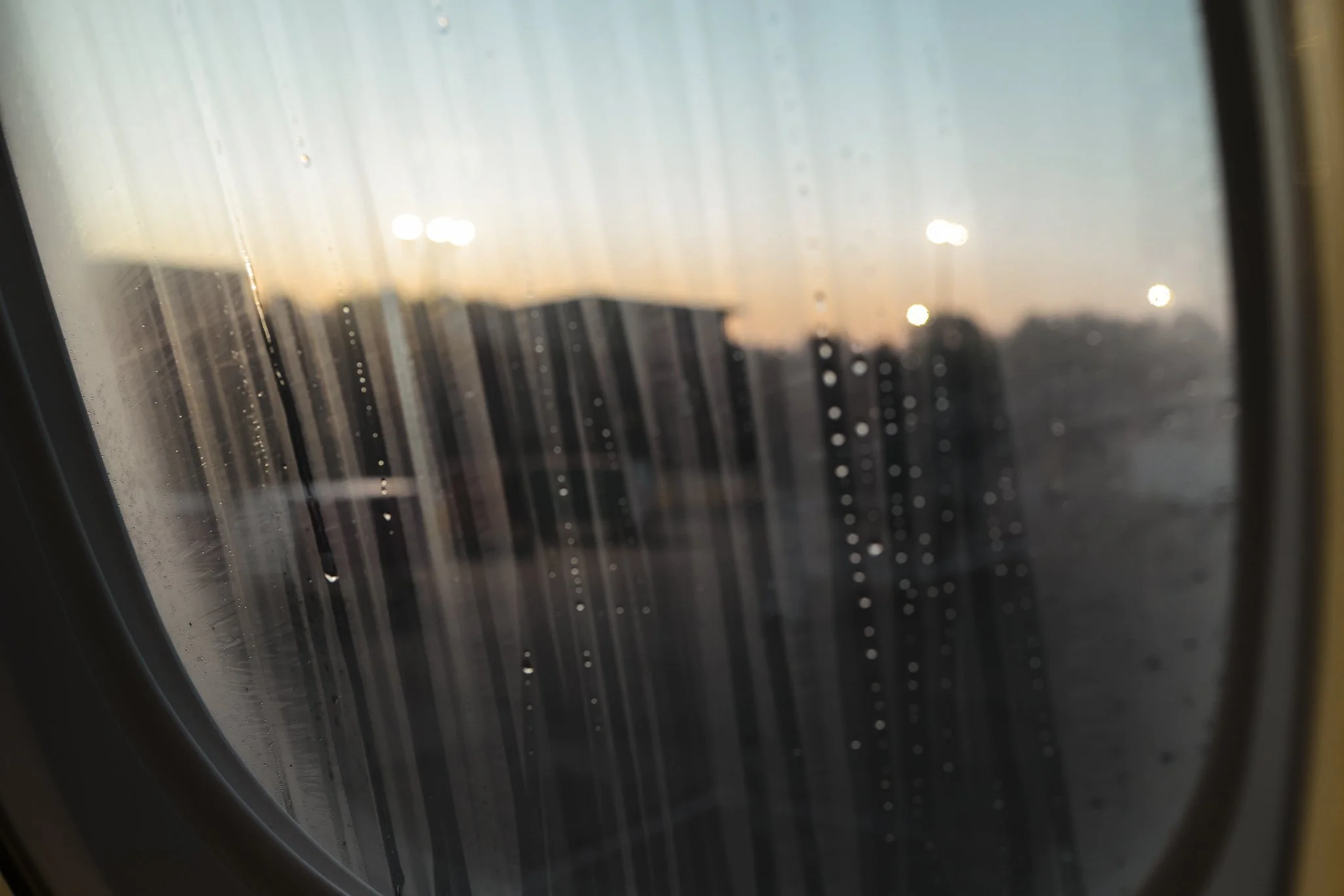
When that happens, the picture’s potential begins to flourish. Capture follows capture as I explore what first drew me in. Time flows freely. Curiosity takes over, and each exposure becomes a question: What happens if I move closer? What if I allow the shadow to occupy more of the frame? What if the subject is less recognizable? What if I wait for the light to change or people to enter the frame?
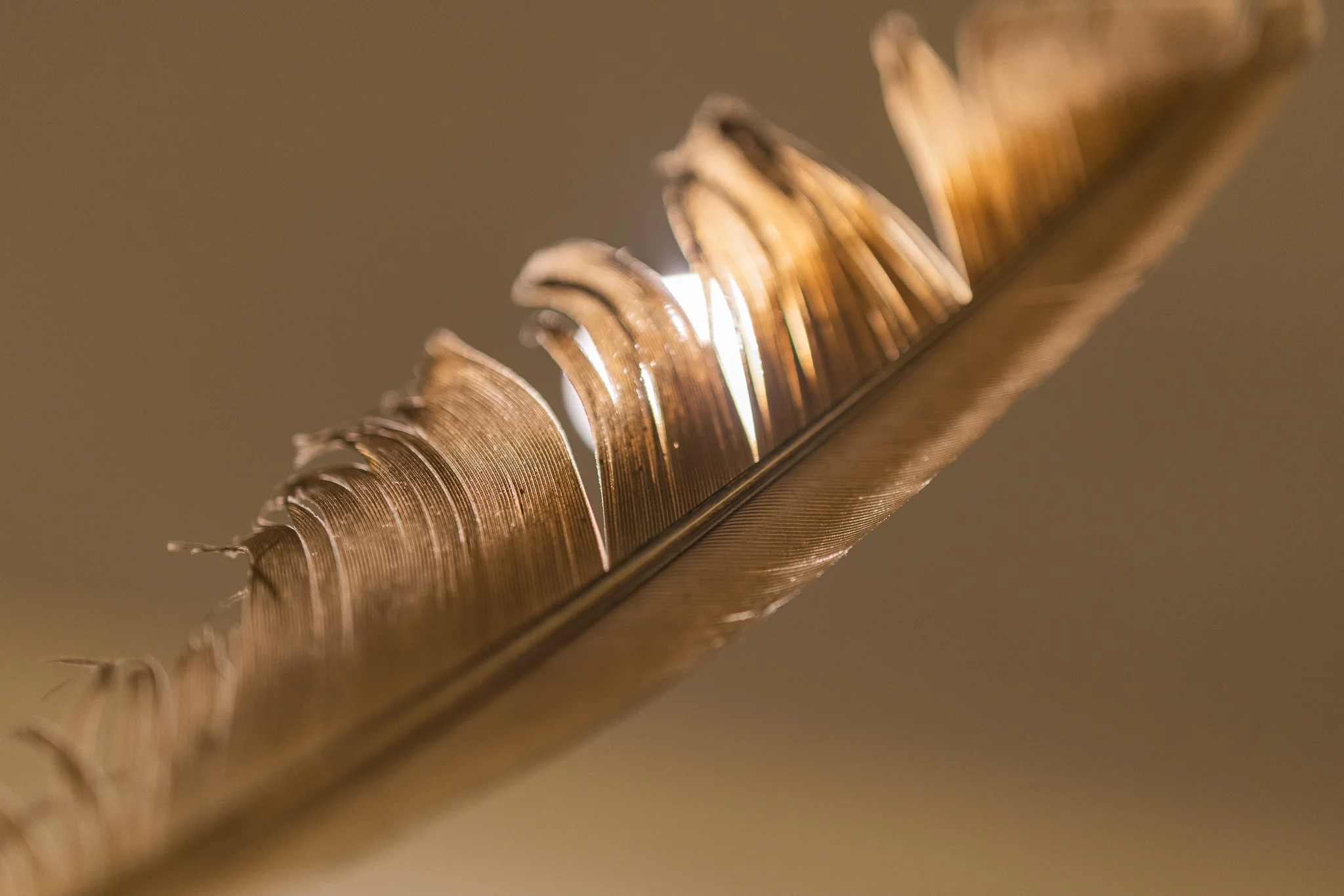
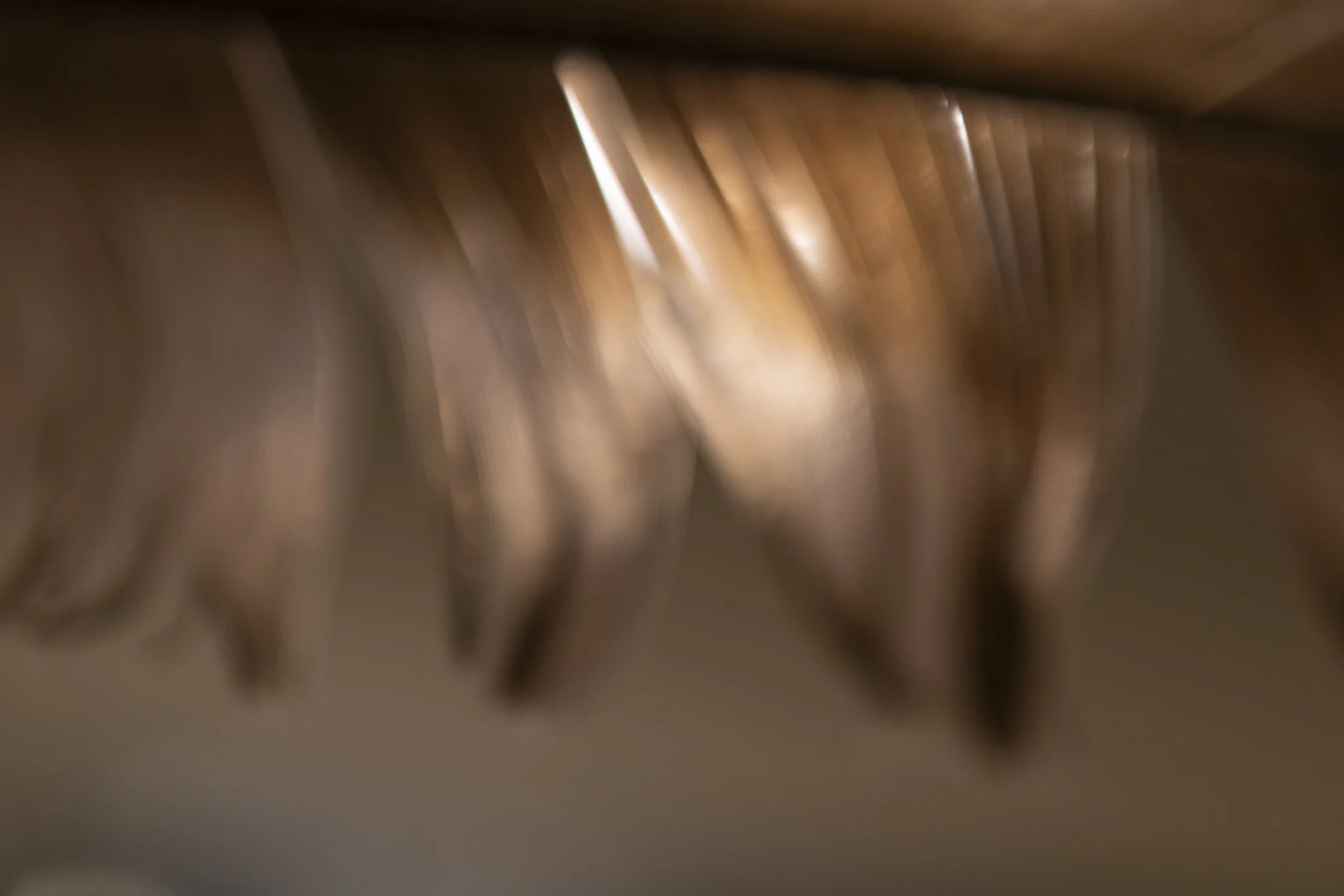
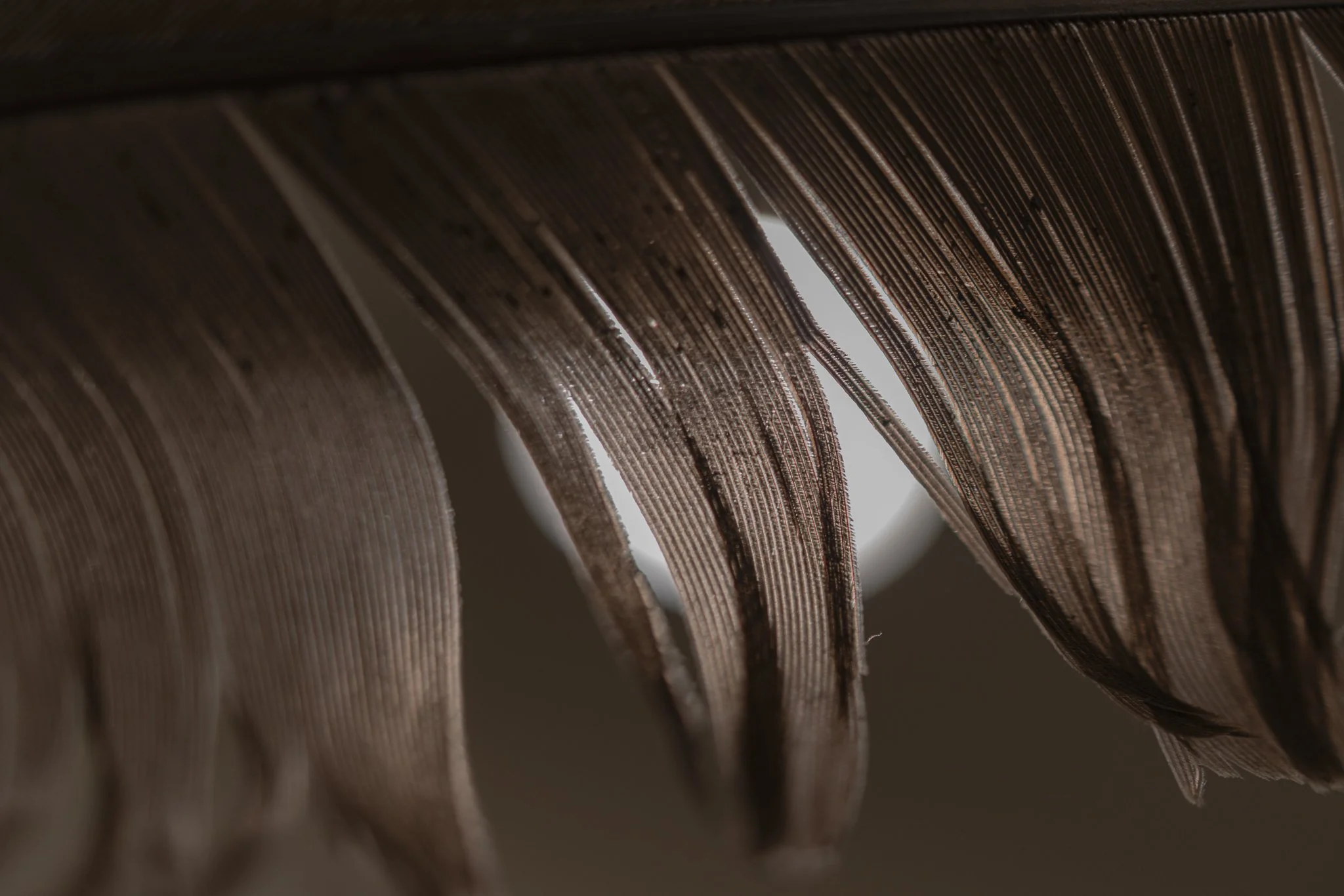
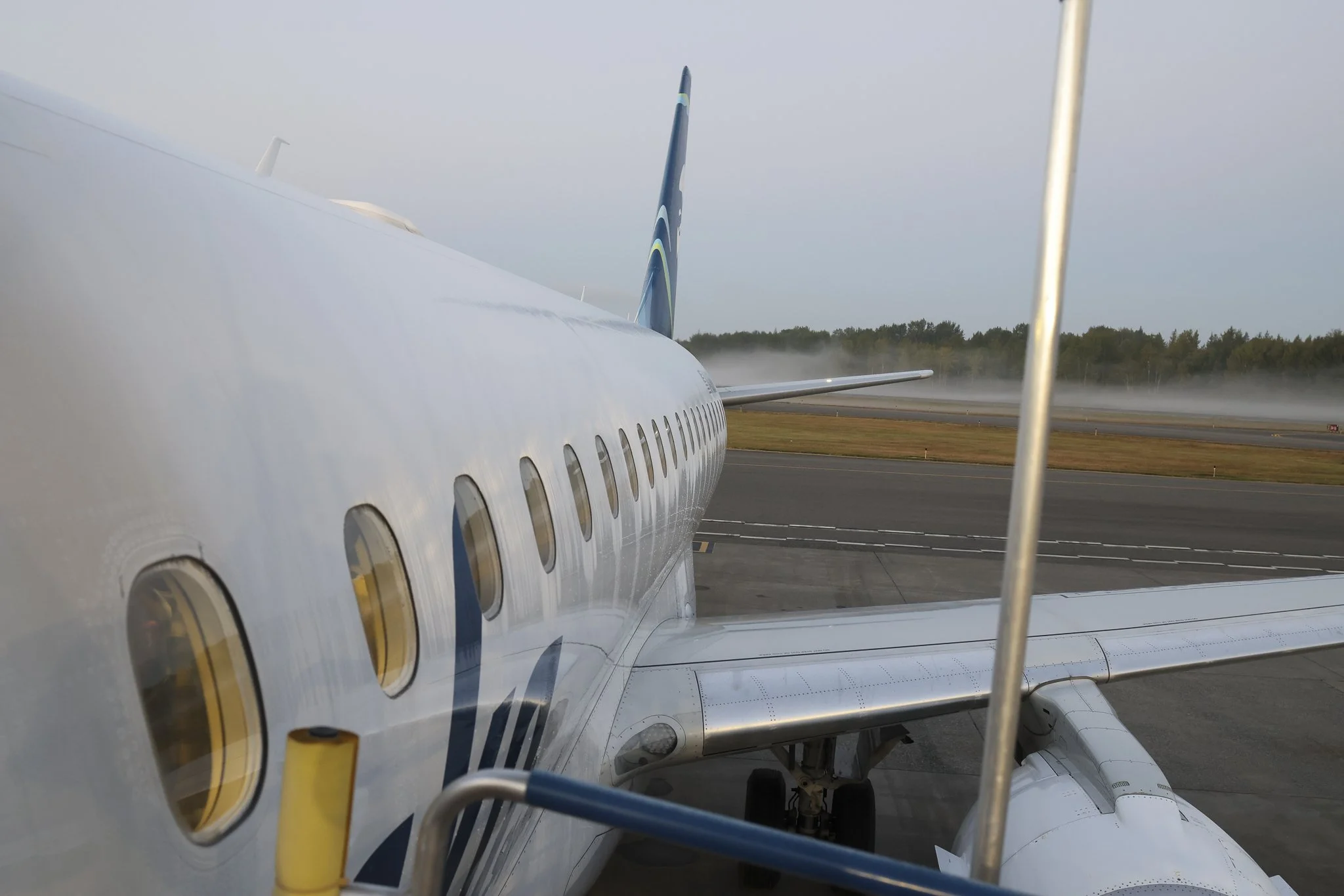
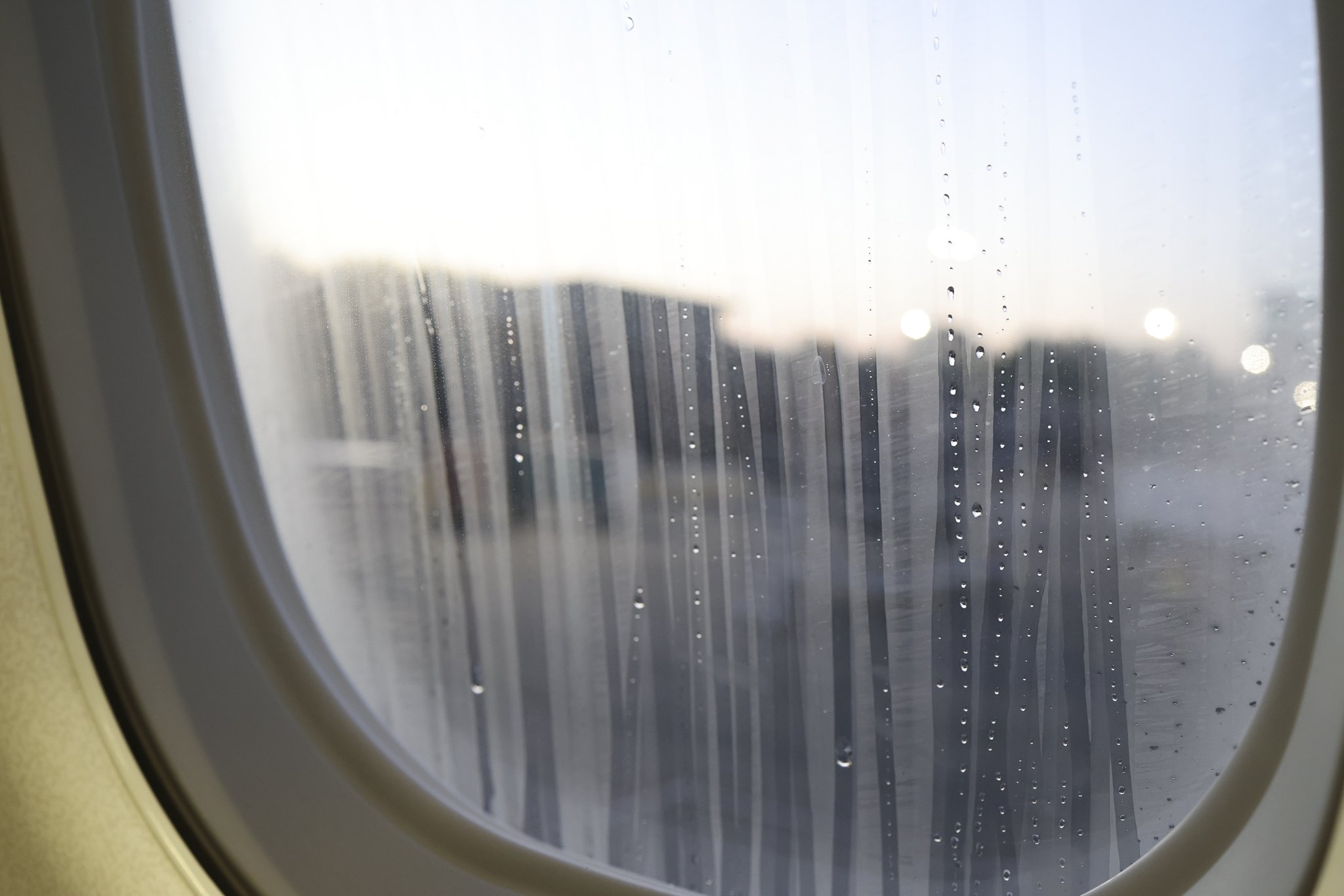
I work until the available positions, proportions, and expressions of light feel exhausted. Eventually, the rush of curiosity subsides, and the moment passes. What remains are image files, each one containing evidence of an encounter, but none of them are yet complete.
The Necessary Distance
Back in the studio, I prefer not to look immediately.
Hours may be enough, but days are better. Weeks are better still. Distance quiets the memory of making the image. It loosens my attachment to the effort involved and allows me to see what is actually there rather than what I hoped I had made.
I recall reading Stephen King’s On Writing, where he describes his editing process. After his main draft is complete, he lets it rest, out of sight until it’s out of mind…often three months or more. Then he re-reads it. Time lets him separate himself emotionally and approach it with the harsh criticism of an outsider.
When I return to the files, the experience is part recognition and part discovery. On the screen are specimens of composition waiting to come to life. Some exposures carry little more than the record of my searching. Others contain a balance or energy I didn’t fully recognize in the field. Occasionally, an image I felt certain about says very little. Another, nearly overlooked, asks me to remain with it.
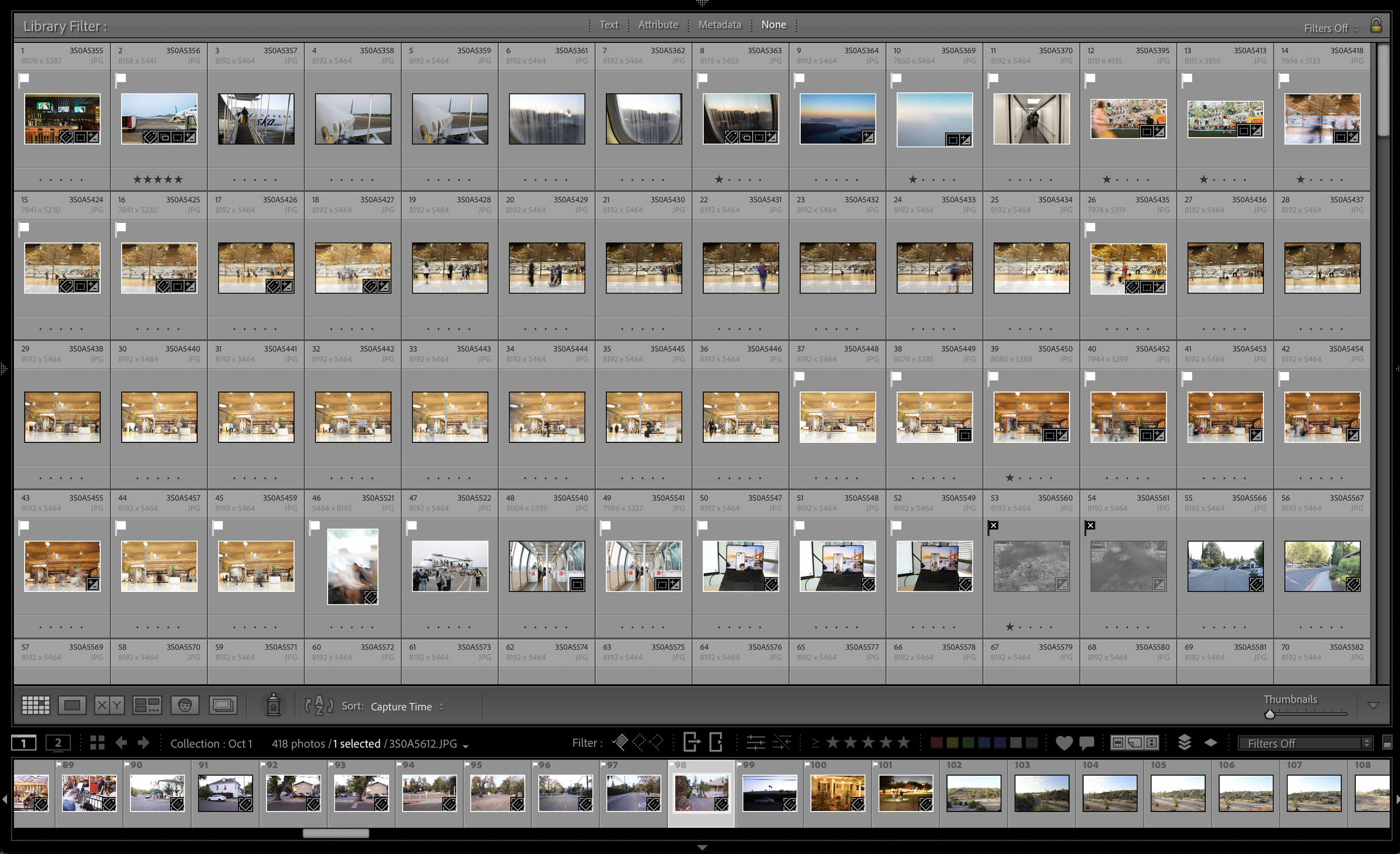
Lightroom collection awaiting review and culling.
This editing process is not simply the act of choosing the technically strongest exposure. It is an effort to recognize which image continues to generate curiosity after the moment of capture has ended. Which one holds tension? Which one allows mystery to remain? Which one can become more than a record of the subject that stood before the camera?
The selected file is not a finished photograph. It is a score waiting to be performed.
The File as Score
If working the subject represents inception, then making the print represents performance.
The original encounter gives me the raw material. The camera translates that encounter into a file, but the file remains latent, filled with possibilities that have not yet taken physical form. Developing it is an interpretive act. My decisions do not merely correct the image. They determine how it will speak.
Here, the nature of the light is reconsidered. Tonal relationships are shaped. Color is allowed to deepen or recede. In a black-and-white image, hues surrender their literal identities and become values of luminosity. A red surface may become nearly black. A pale blue sky may become a field of quiet gray. Contrast can give a form strength, while restraint can keep it elusive.
Every adjustment affects the relationship between what is revealed and what is withheld. Too much contrast can close the image. Too much clarity can explain away its mystery. Too little structure can cause it to lose its voice. I am searching for a balance in which luminosity, color, texture, and shadow coexist in a delicate dance of desire and strength.
This is why I think of development as performance. Two photographers could begin with the same file and arrive at entirely different photographs, just as two musicians can interpret the same composition differently. The notes may be fixed, but emphasis, pacing, tone, and feeling remain open. The file contains information. The artist gives that information presence.
The Object on the Table
Eventually, the image leaves the screen.
This transition matters to me. A screen emits light, while paper receives it. On a screen, the image can be enlarged, reduced, brightened, and dismissed in an instant. A print occupies space. It has dimensions, weight, surface, and edges. It changes as the ambient light changes. It asks to be approached, held, lived with, and seen again.
The first print is rarely the final one. It is a rehearsal.
What appeared balanced on the screen may feel too heavy on paper. A highlight may need more restraint. A shadow may need to open just enough to suggest what it contains. The image's scale may alter its emotional force. Paper choice can soften a photograph or make it feel more immediate. Even the border participates in the composition, establishing the space between the image and the world around it.
So I return to the file, make another interpretation, and print again. Each iteration teaches me something about the photograph. Gradually, the performance becomes more precise, not necessarily louder or more polished, but more faithful to what the image seems capable of becoming.
As the artist, I bring the awareness and observation practiced in the field back to the studio. The same attentiveness that allowed me to notice the original possibility must now guide a different kind of seeing. At the worktable, I refine those discoveries. What began as a moment, and was recorded as an image file, is transformed through development and repetition into a physical object.
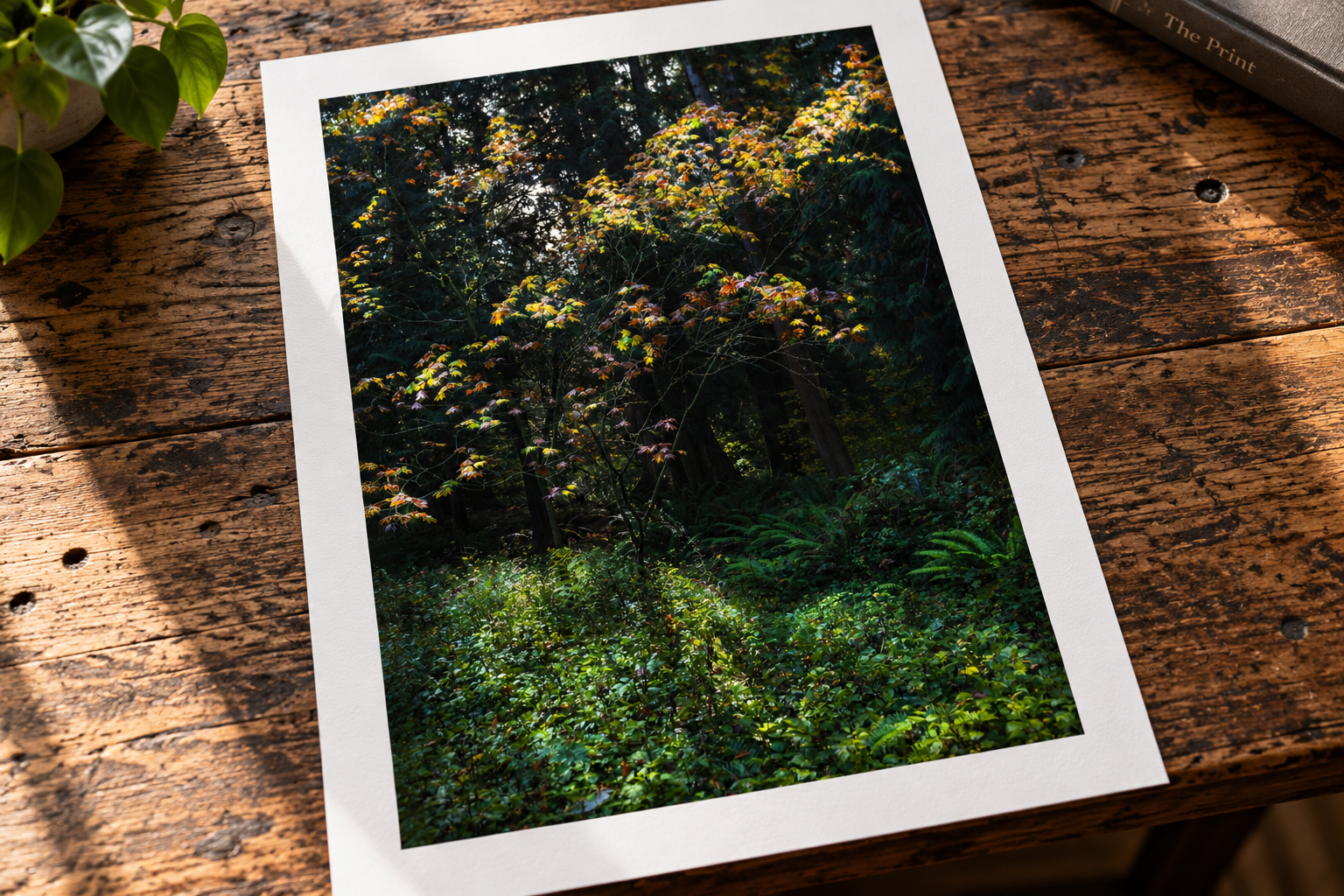
Only then does the photograph become the print.
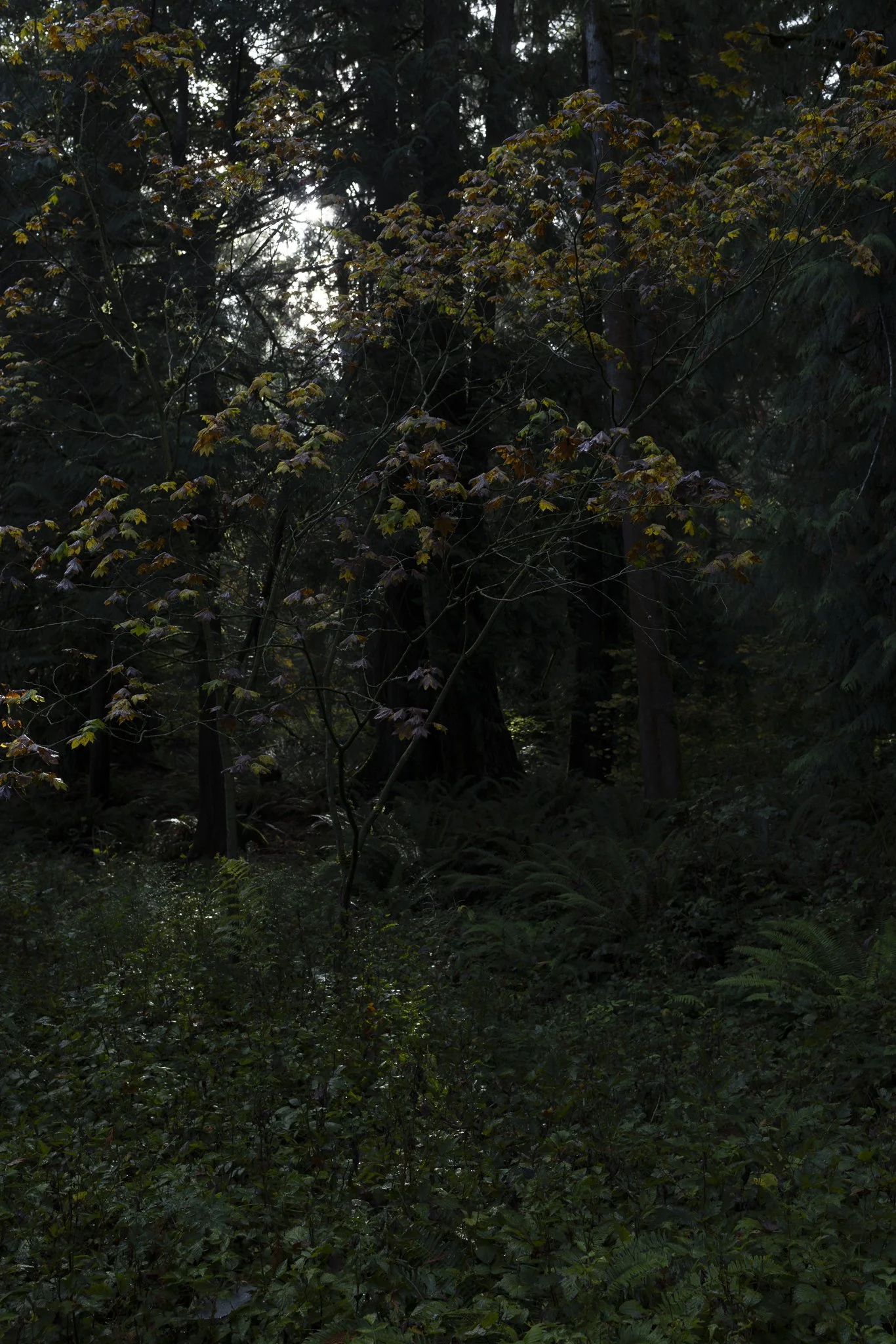
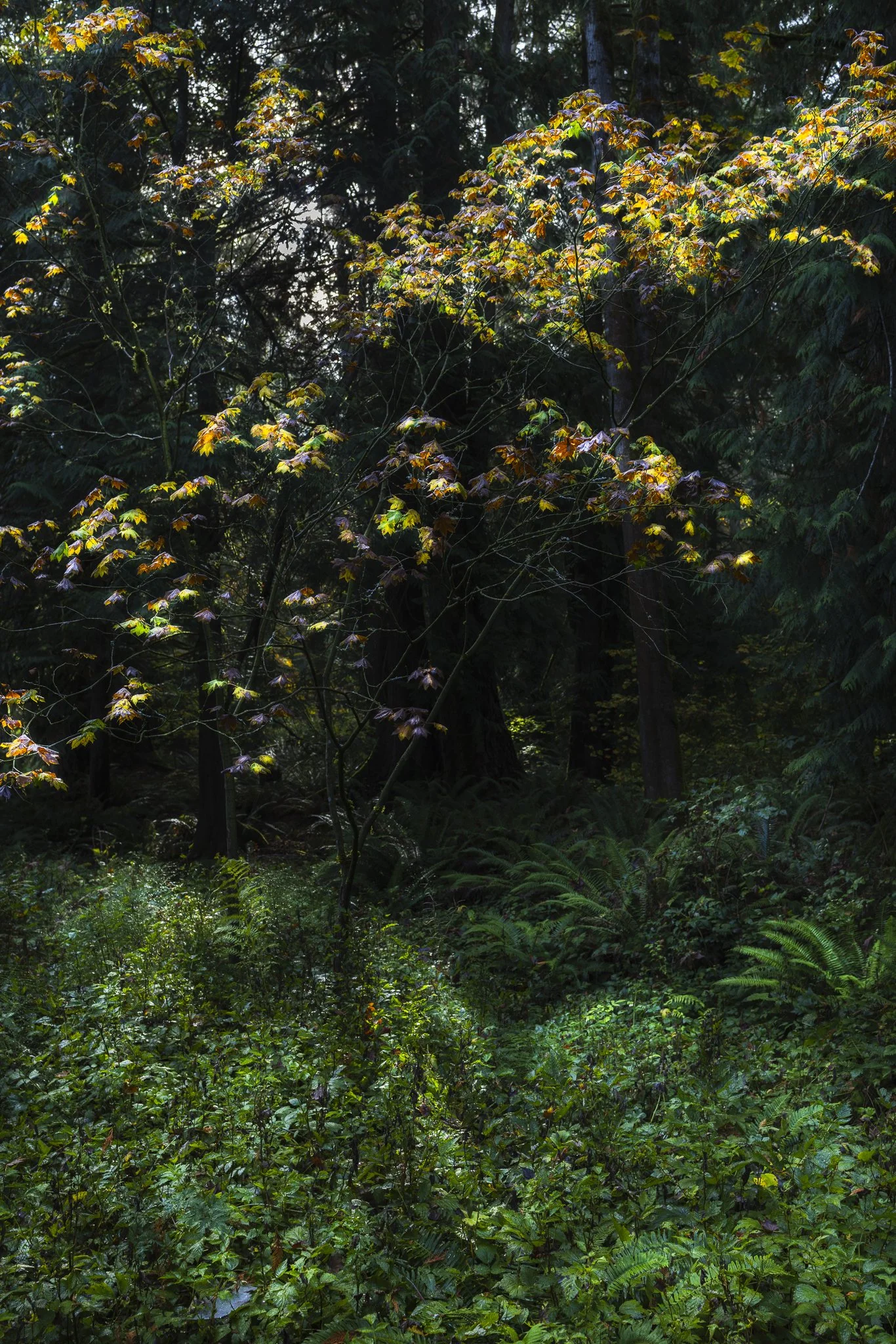
The two images above exhibit the transition from raw capture to developed photograph. In the moment, the light glistened off the mottled surface of the vine maple (Acer circinatum). The raw file looks flat and doesn't capture the feeling I experienced in the forest. On the right is the photograph after it came to life during development. Below is the finished object: the print.
Completing the Creative Cycle
For me, the print is not simply an output or a reproduction of something that already exists. It is the completion of the photographic act. The subject gave rise to the composition. The composition became a file. The file became an interpretation. The interpretation became an object.
The print gathers every stage of that process into one place. It carries the original spark of recognition, the movement and experimentation of working the frame, the distance required to edit honestly, and the deliberate choices made in development. It is both evidence and expression. It is the place where the photograph finally stands apart from the experience that created it.
Perhaps this is also why printing has creative value in a time when most photographs remain on screens. Making a print asks us to commit. We must choose one image, one interpretation, one scale, and one surface. That commitment slows us down. It requires us to look longer and decide what matters.
Not every photograph needs to become a print. Most of mine will not. But knowing that an image might eventually exist on paper changes the way I work from the beginning. It encourages me to look beyond the immediate satisfaction of capture and consider what may remain after the moment has passed.
The print is not merely the end of my process. It gives purpose and direction to everything that comes before it.
I am curious how this works for other makers. At what point does your work begin to feel complete? Is it in the initial act of discovery, in the editing, or only when it takes physical form? If you are a photographer, what changes for you when an image moves from the screen to paper? And if you work in another medium, what part of your process feels most like a performance?
I invite you to share your thoughts and experiences. Creative practice is deeply personal, but talking about how we make can remind us that uncertainty, revision, and discovery are not obstacles to the work. They are the work.
““What began as a moment and was recorded as an image file is transformed through development and repetition into a physical object.””
