
What I Learned from Carrying an Unloaded Camera
Long before I understood the rules of composition, the exposure triangle, or even what made one photograph more compelling than another, I walked around with an unloaded Nikon.
It belonged to my father. I was young, and film was expensive enough that the camera often came to me empty. At the time, this may have seemed like a limitation. What was the point of carrying a camera that could not actually make a photograph?
Looking back, I realize the opposite was true. Without film, I could practice without consequence. Nothing to waste, nothing to develop, and no disappointing contact sheet exposing what I had done wrong. I could simply raise the camera to my eye and look.
That unloaded Nikon became a way of rehearsing the act of seeing.
Learning the Frame
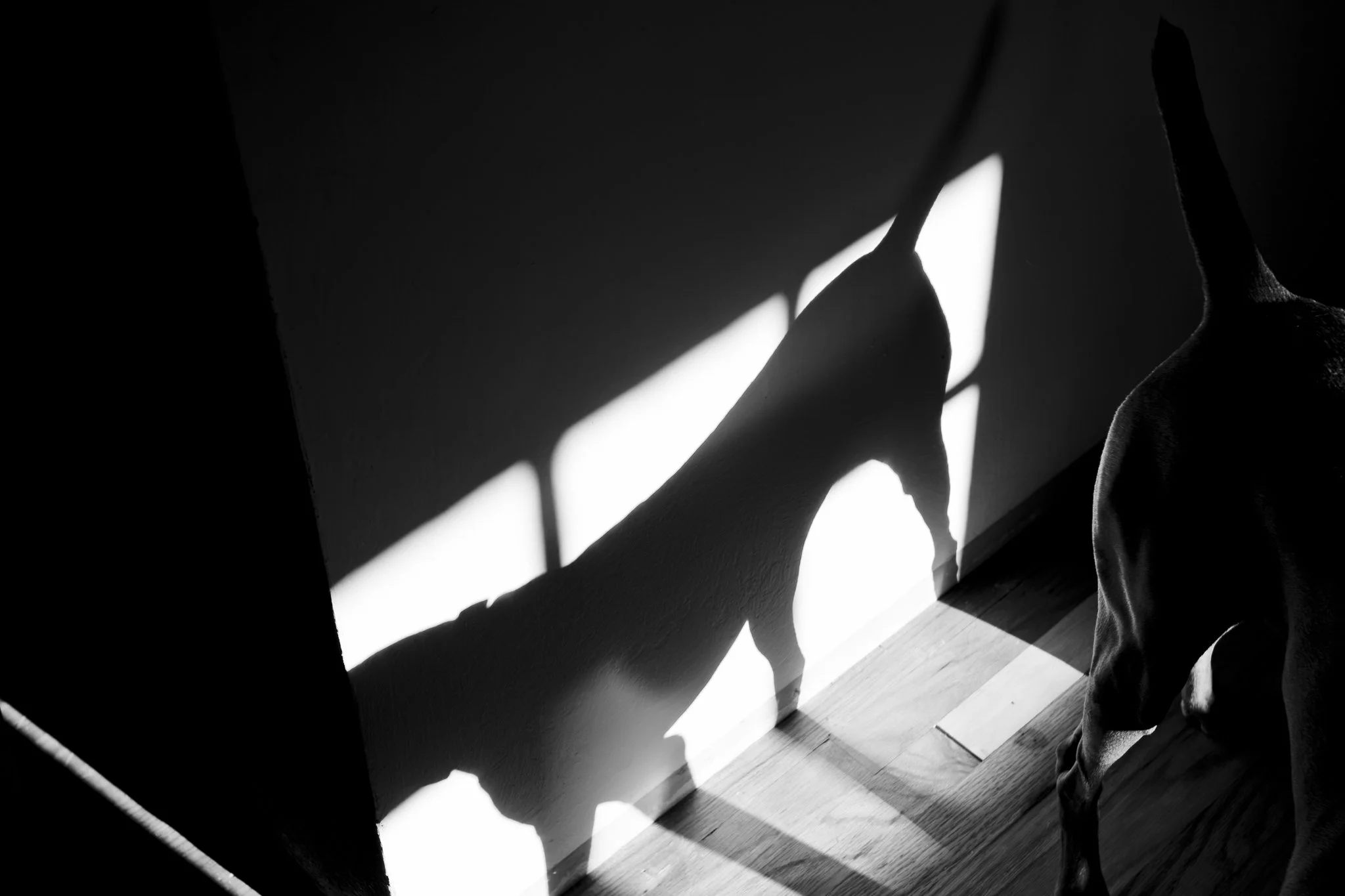
The first thing it taught me was framing.
Photography is a process of exclusion. The world continues in every direction, but a photograph does not. The camera places a boundary around a small part of what is in front of us and asks us to decide what belongs inside it.
I did not know the formal rules of composition then. I had not been taught about thirds, leading lines, negative space, or visual balance. Those ideas came much later. Instead, I learned the frame intuitively by looking through it again and again.
The word camera comes from camera obscura, or “dark room.” Inside that darkened space, a light-sensitive surface receives a carefully limited view of the outside world. Film size, focal length, and the viewfinder all help define that view, but the photographer ultimately decides where its edges fall.
As a child, I did not have language for any of this. I simply moved the camera.
I stepped closer. I backed away. I raised it, lowered it, and turned it vertically. I watched objects enter and leave the viewfinder. I began to notice how a slight shift could separate two overlapping forms, make a line feel more deliberate, or remove a distraction from the edge. Even without making photographs, I was discovering that where we stand changes what we see.
This may be the most important lesson photography has given me. A photograph is not the world as it is. It is the world as the photographer has chosen to frame it.
That distinction continues to shape my work. I am drawn to isolation and reduction, to removing enough context that light, shadow, line, and form can transform something familiar into something less certain. I want a photograph to offer recognition, but not necessarily explanation. I want it to leave room for the viewer to bring something of their own.
I can trace much of that instinct back to those early hours spent looking through a camera that held no film.
Learning to Carry
The Nikon taught me something else, something more physical: how to carry a camera.
That may sound like a small lesson, but it matters.
In the years before autofocus and automatic exposure, operating a camera required both hands and a sequence of practiced movements. My right hand cradled the body and worked the meter and shutter. My left supported the lens while adjusting focus and aperture. To make a photograph quickly, these actions had to become coordinated, and comfortable, or predetermined.
I learned to focus by turning the ring past sharpness in both directions, testing the boundary on either side, then settling into the middle. The subject would come into focus, drift out, return, and finally hold. It was a small negotiation between the eye and the hand.
Repeated often enough, the camera stopped feeling like a collection of controls. It became an extension of attention.
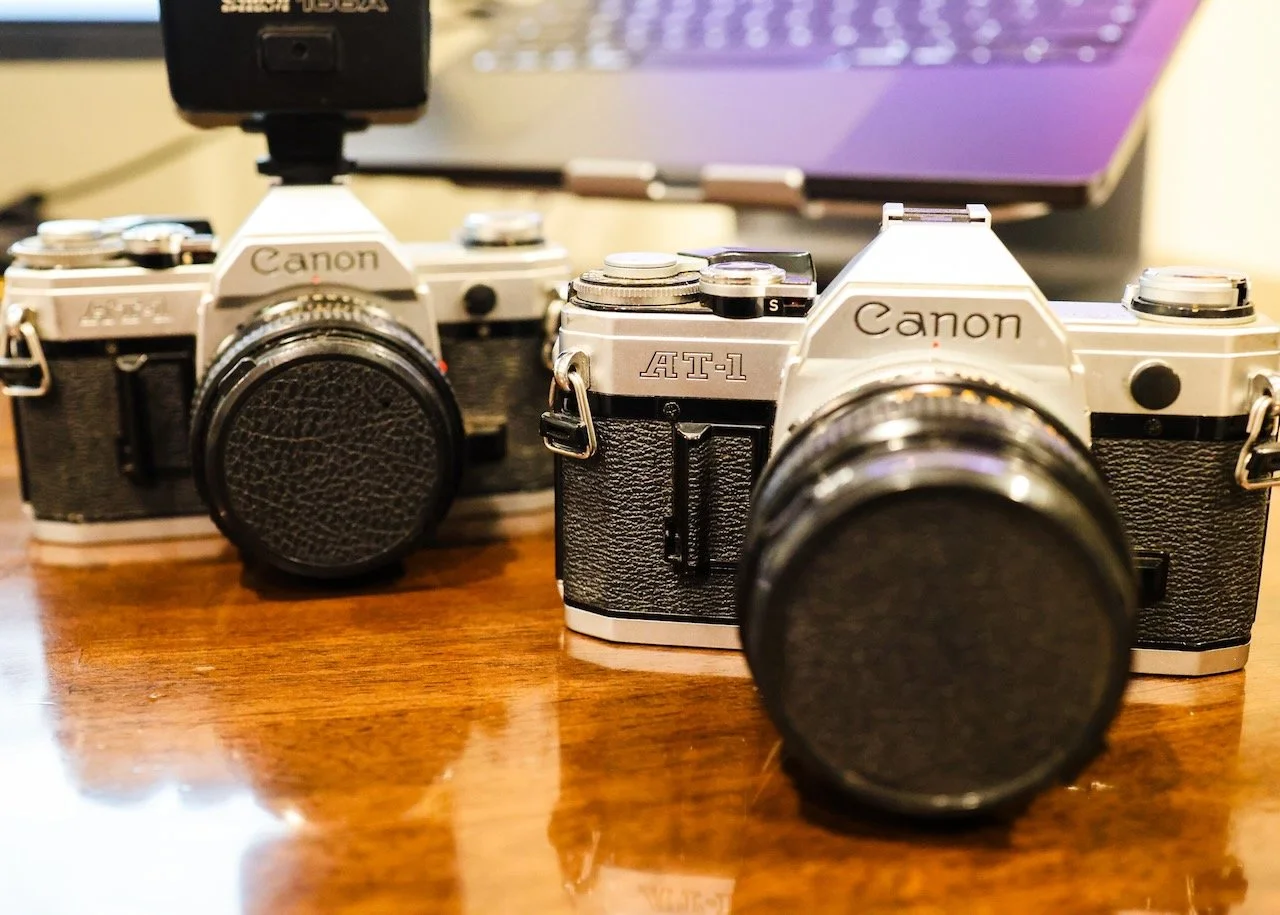
Both of my Canon AT-1 cameras
Eventually, my father bought me a camera of my own, a Canon AT-1. It was fully manual, with a built-in light meter, and by then the unloaded Nikon had already prepared me for it. I could raise the SLR to my eye, meter with my right hand, focus and set the aperture with my left, then release the shutter in one continuous gesture.
Film had finally entered the camera, but the work had begun long before.
This is easy to overlook in a time when cameras can recognize faces, track eyes, calculate exposure, and produce a technically competent image with almost no intervention. Those capabilities are extraordinary, and I am grateful for them. Still, a camera must become familiar enough that its operation doesn’t interrupt the moment. The less attention we give to handling the tool, the more attention we can give to what is happening in front of it.
Fluency creates freedom.
It also creates confidence. A camera that feels awkward tends to stay in the bag. One that feels natural is more likely to be carried, raised, and used.
The More Important Kind of Carry
Physical comfort with a camera helps, but the psychological act of carrying it may matter even more.
I carried that camera everywhere I went. Eventually, I was given film to go with it, and the practice of looking became the practice of making. The camera was present for ordinary walks, family moments, passing light, and small arrangements that might not have seemed important until I framed them.
To this day, my camera is rarely far away.
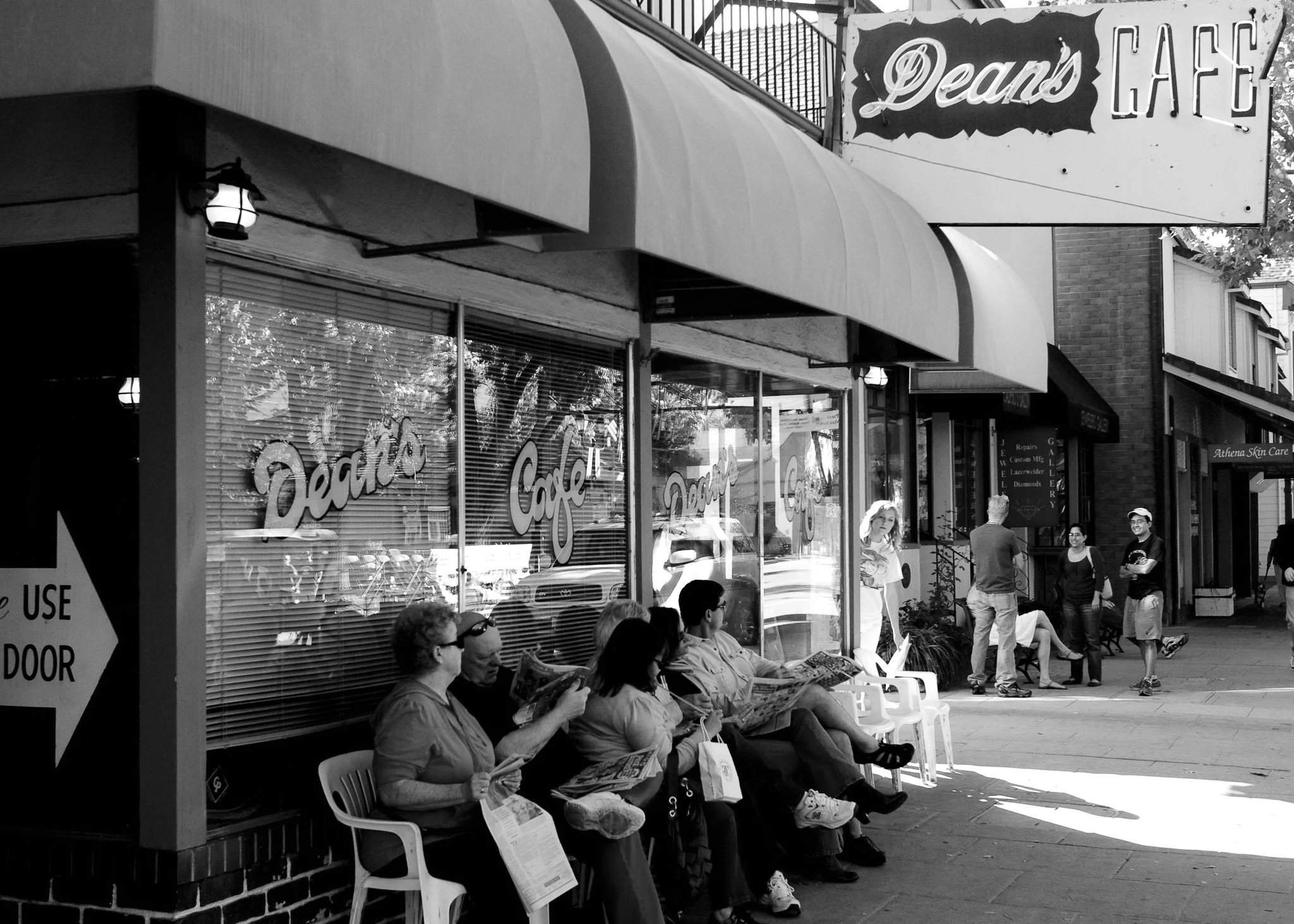
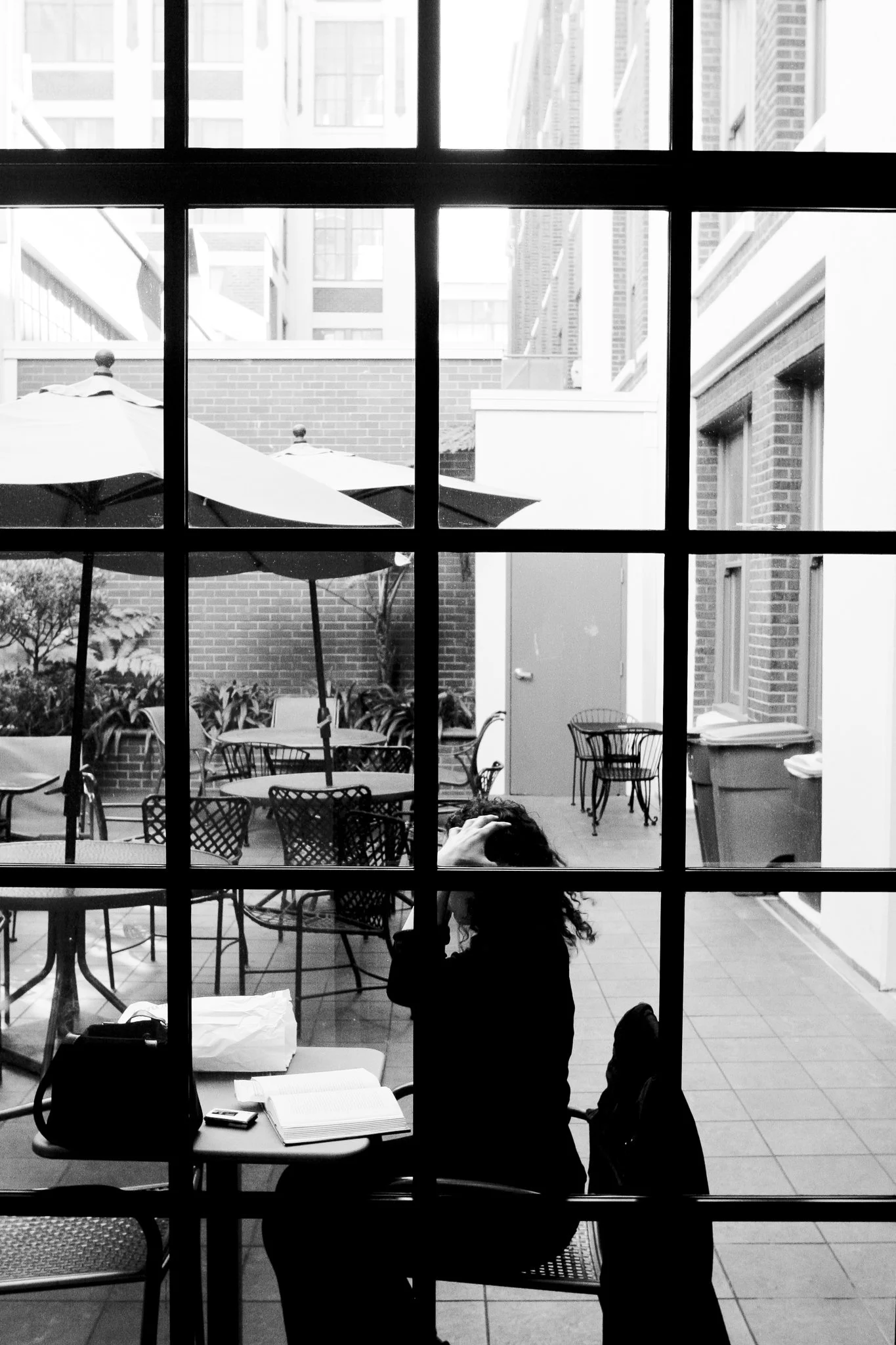
Many of my photographs would not exist without that habit. They were not planned in advance. They appeared briefly, then changed or disappeared. A reflection shifted. Someone passed through a shaft of light. A familiar place became strange for a few seconds. The photograph was possible because the camera was there and because I had already decided, psychologically, that making pictures mattered enough to remain ready.
Carrying a camera changes the way I move through the world. It keeps part of me alert. I notice how a shadow divides a wall, how two unrelated objects align from one position, or how an ordinary surface catches the light. I do not always make a photograph, but I am more available to the possibility of one.
That availability is a form of creative commitment.
We often imagine that meaningful work begins with inspiration. We wait for an idea, an open afternoon, better equipment, or the confidence to begin. In my experience, inspiration is less dependable than readiness. The work happens because the camera is charged, the card is empty, the lens is mounted, and the person carrying it is willing to stop.
The same is true beyond photography. A writer keeps a notebook nearby. A painter leaves materials within reach. A musician picks up the instrument even when no audience is there, and no finished song is waiting to emerge. The practice starts by making creation easier to enter.
Sometimes the most consequential creative decision is simply to bring the tools with us.
From Timid to Deliberate
In my earliest photographs, I can see hesitation. The framing is tentative. The camera feels held at a polite distance, as though I were not yet convinced I had permission to decide what the picture should contain.
Over time, that changed.
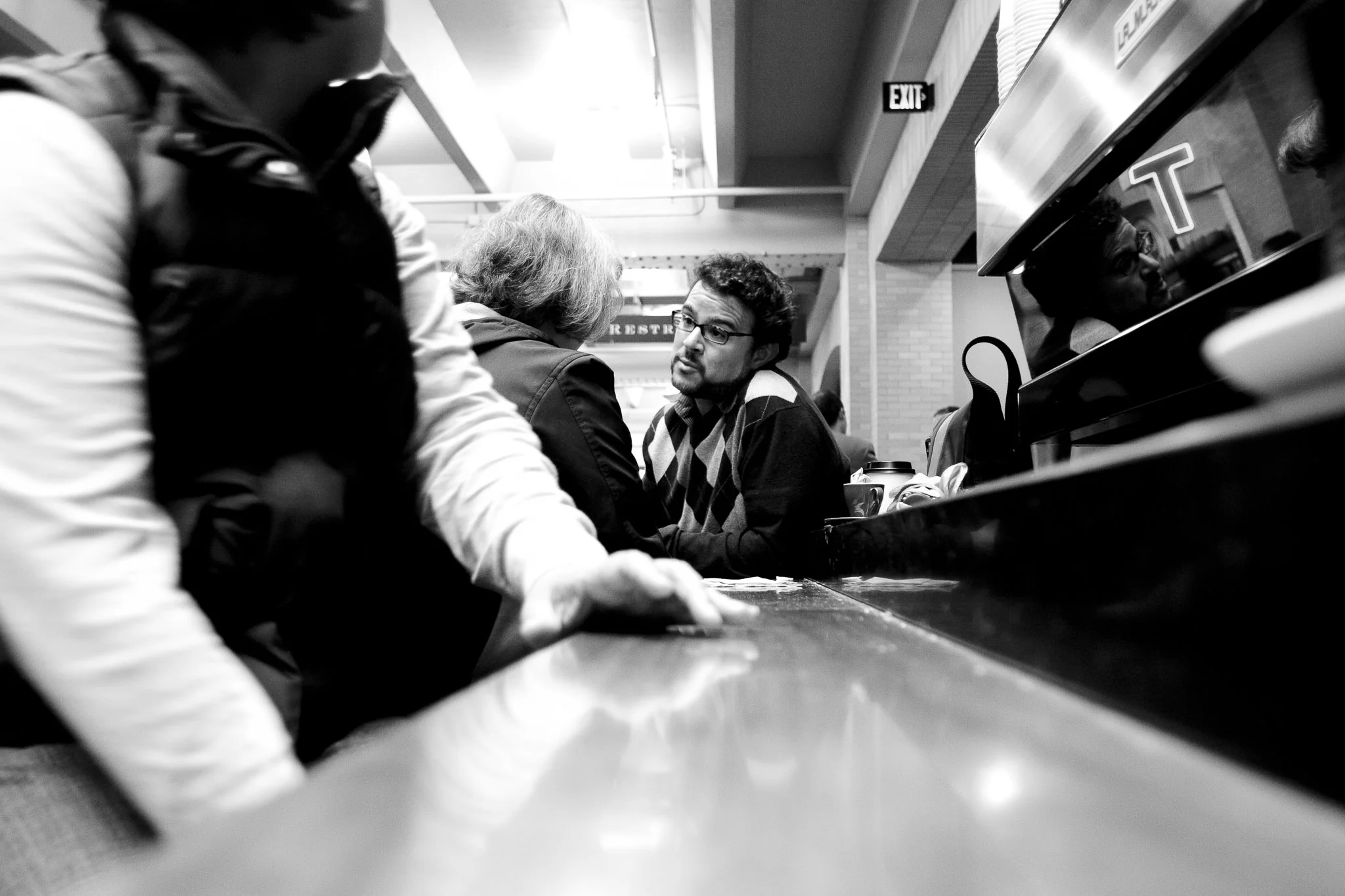
The shy and sometimes awkward compositions became more deliberate. I learned to move closer, to wait longer, and to trust the frame. I became more willing to let part of an object fall outside the photograph, to allow darkness to conceal information, or to leave space unresolved. What once felt like uncertainty gradually became intention.
That confidence did not arrive all at once. It grew through repetition, one act of looking followed by another.
This is one reason I began Reengage 365, my commitment to create and share one image every day for an entire year. The project is about photography, but it is also about returning to the conditions that allow photography to happen. Carry the camera. Pay attention. Make the frame. Share the result. Begin again tomorrow.
Not every image will become part of a finished body of work. Some will be exercises. Some will lead nowhere. Others may contain the beginning of something I cannot yet recognize. The value lies partly in refusing to demand that every photograph justify itself before I make it.
An unloaded Nikon taught me that practice can be worthwhile even when no finished image results. Reengage 365 is teaching me the other half of that lesson: eventually, we must release the shutter. We must make something, let it exist, and keep going.
Start Before You Feel Ready
If you have stepped away from your own creative work, or if you have always wanted to begin but have not, you don’t need to commit to 365 days. You do not need a new camera, a perfect idea, or a clearly defined style.
You need a way to make beginning easier.
Carry the camera on an ordinary walk. Put the sketchbook where you can see it. Write one paragraph before the rest of the house wakes. Give yourself an assignment small enough that resistance has little room to grow. Then repeat it before you decide whether it is working.
The first result may feel awkward. That is not evidence that you should stop. Awkwardness is often the visible beginning of fluency.
I am still learning this. Even after decades of making photographs, there are periods when work slows and attention scatters. Reengaging does not mean returning to exactly who I was or what I once made. It means becoming available again, to observation, to uncertainty, and to the possibility that the next photograph might point somewhere new.
My ambitions for this work extend beyond a daily post. I hope to shape these photographs into lasting bodies of work, publish my first photography book, exhibit the images, and make carefully produced prints available to people who want to live with them. Those are long-term goals, and they matter deeply to me. But none of them can happen without the quiet daily act that comes first.
Raise the camera. Look carefully. Decide what belongs inside the frame.
Then make the photograph.
If this project encourages you to begin making again, I hope you will follow along and subscribe. I will continue sharing the images, the ideas developing around them, and an honest account of where a year of sustained attention can lead. And if you begin a practice of your own, I would genuinely like to hear about it.
For now, I will keep carrying the camera.
““A photograph is not the world as it is. It is the world as the photographer has chosen to frame it.””
