
What Remains in the Frame
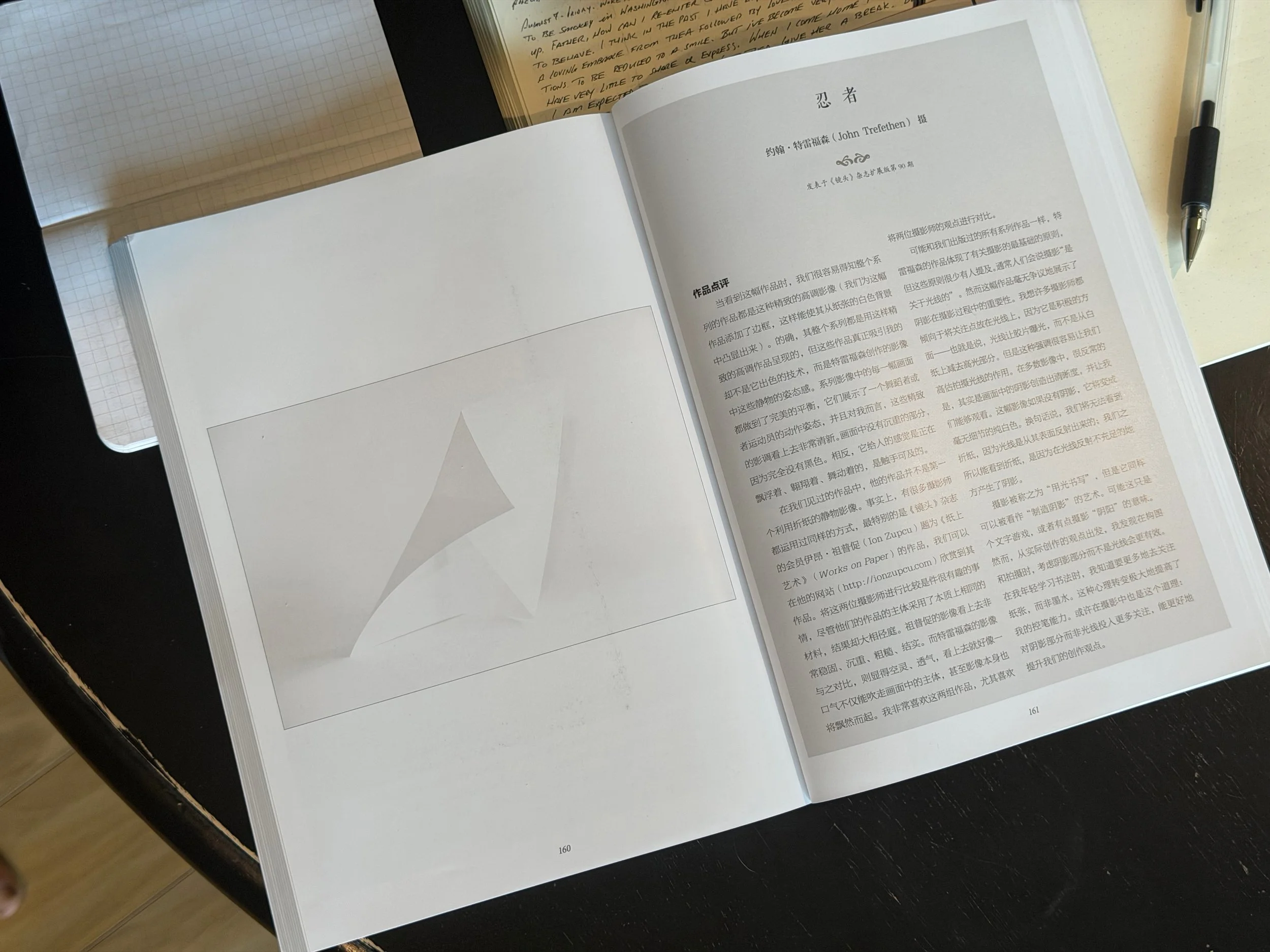
I recently pulled an old photography book from the shelf, a Chinese collection of work originally published in LensWork. Turning through it, I came across something I had not thought about in quite some time: my series Ninja, accompanied by a critique translated into Chinese.
There is a peculiar experience in encountering your own work through another language. The photographs were familiar, of course, but the words surrounding them were inaccessible to me. I could recognize my name and the images, but little else.
约翰·特雷福森 (John Trefethen) 摄
So, I had AI translate the essay from the above image.
What interested me was not so much the fact that the work had been published again, but what the editors had seen in the photographs.
They wrote about balance, movement, weightlessness, light, and, especially, shadow. They described the photographs as reducing folded paper to something that seemed to float, tumble, and dance. The subject remained recognizable, but only barely. What mattered was less what the object was than what happened when it was isolated from everything that ordinarily explained it.
Reading those observations years later felt surprisingly current.
I have come to realize that much of my photography is an act of framing and simplification.
Photography is often described as the practice of deciding what to put into a frame. I increasingly think of it as deciding what to remove.
I isolate. I reduce. I remove context.
And then I am drawn to the compositions by what remains.
With Ninja, like the rest of the forms in ORU Kami, the starting point was an 8×8 sheet of paper with a single score. Once separated from its surroundings and photographed against a featureless field, however, the paper became something else. A fold became a line. A crease became a shadow. Intersecting planes suggested movement. Scale became uncertain.
The object had not changed. Its context had.
That distinction has followed me through much of my work.
Years later, in ORU Kami, I returned again to paper, folding, geometry, and transformation. The title itself plays with those ideas: oru, to fold, and kami, paper. There is an obvious connection to origami, but I have never been particularly interested in photographing an object simply to describe the object.
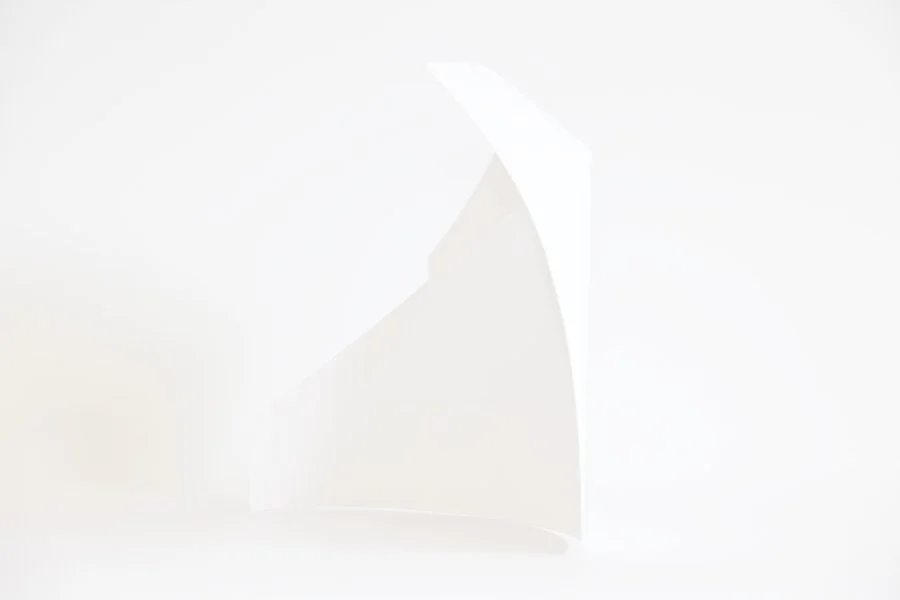
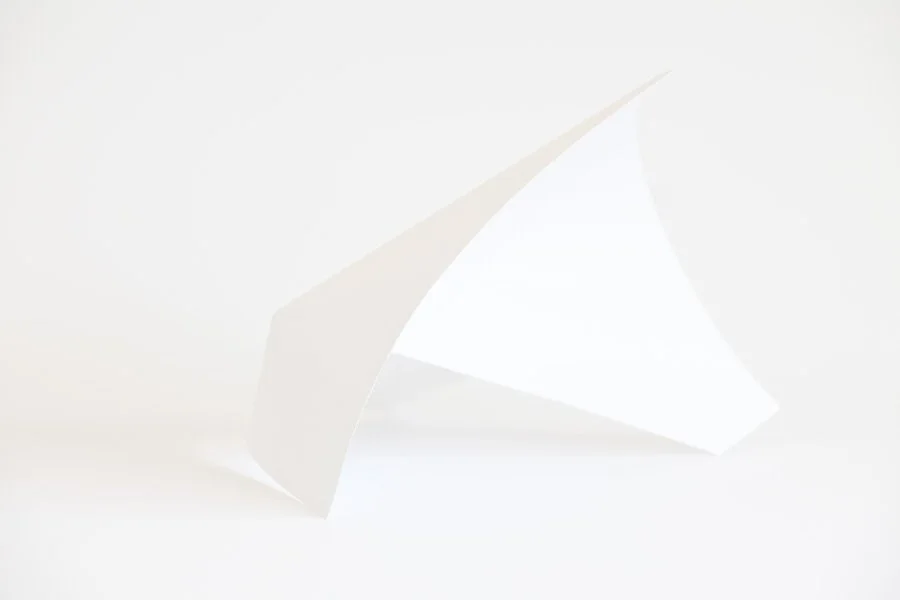
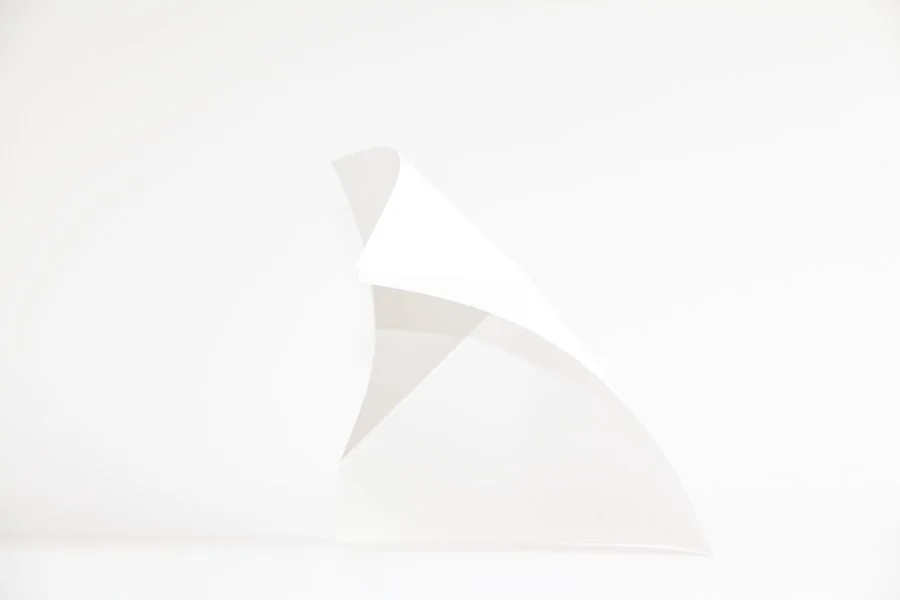
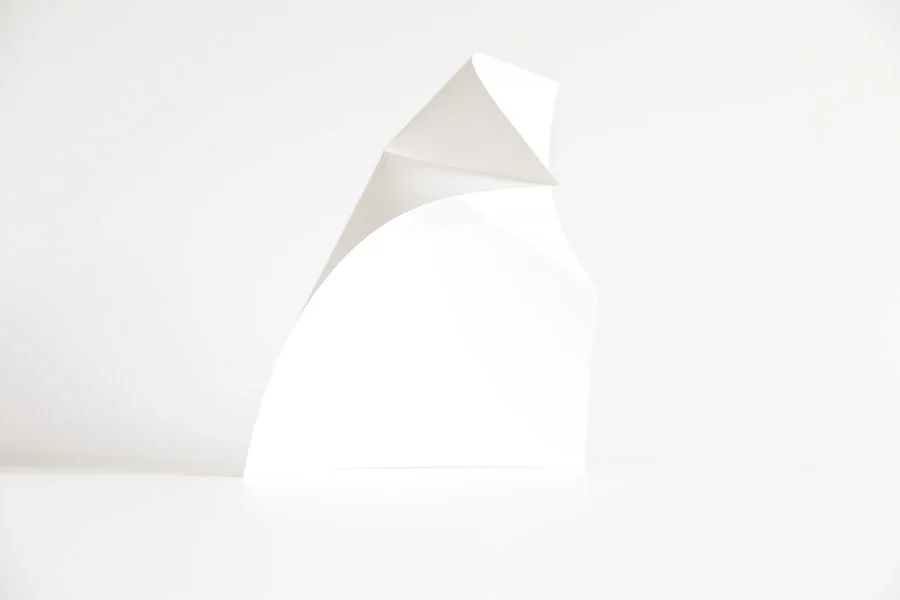
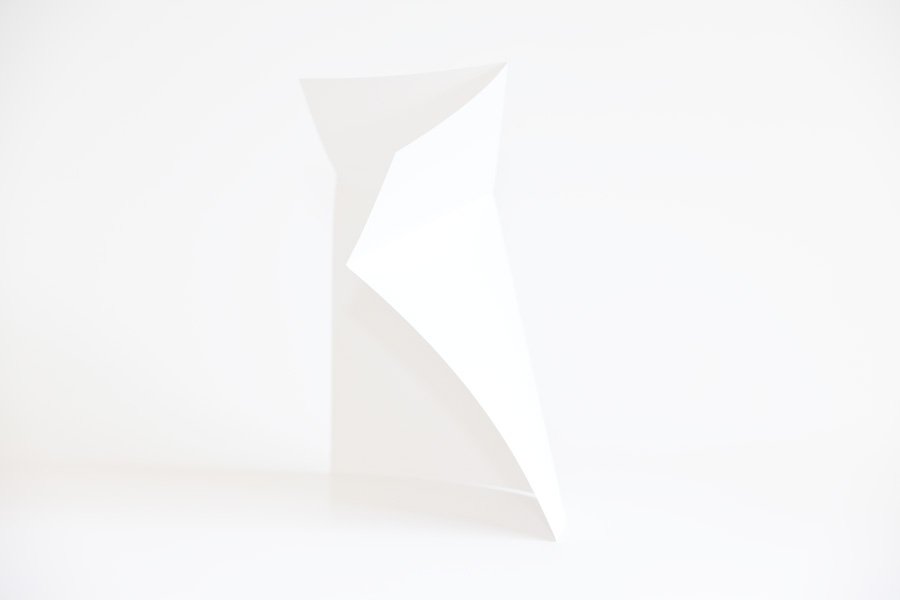
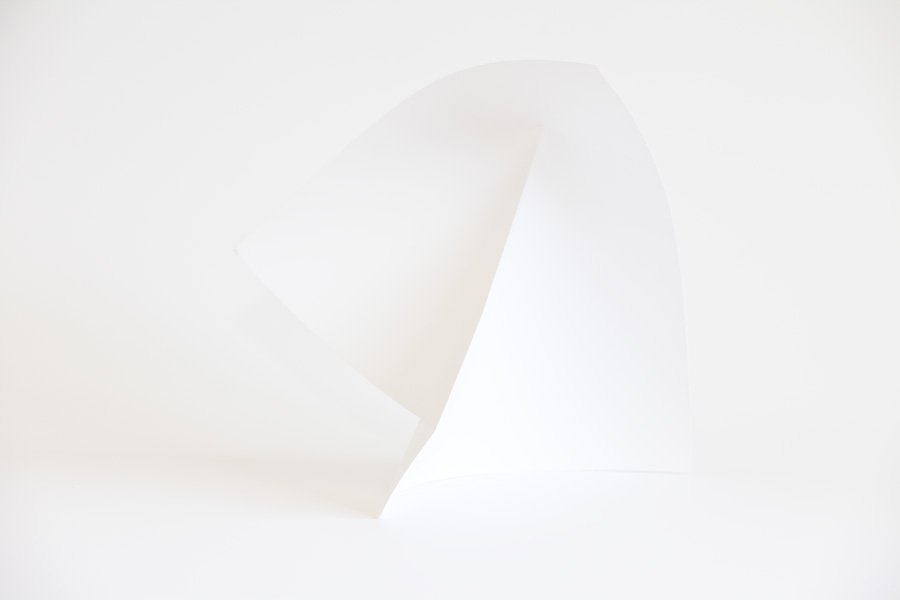
I am interested in what happens when description begins to disappear.
The more information I remove, the more room there seems to be for another kind of information to emerge.
A photograph can begin with something ordinary and, through framing, become ambiguous. A piece of architecture becomes an arrangement of planes. A tree becomes a sequence of vertical marks. Blownout highlights in a forest become a doorway to another world. A blurred figure becomes an apparition. Something recognizable begins to resist being named.
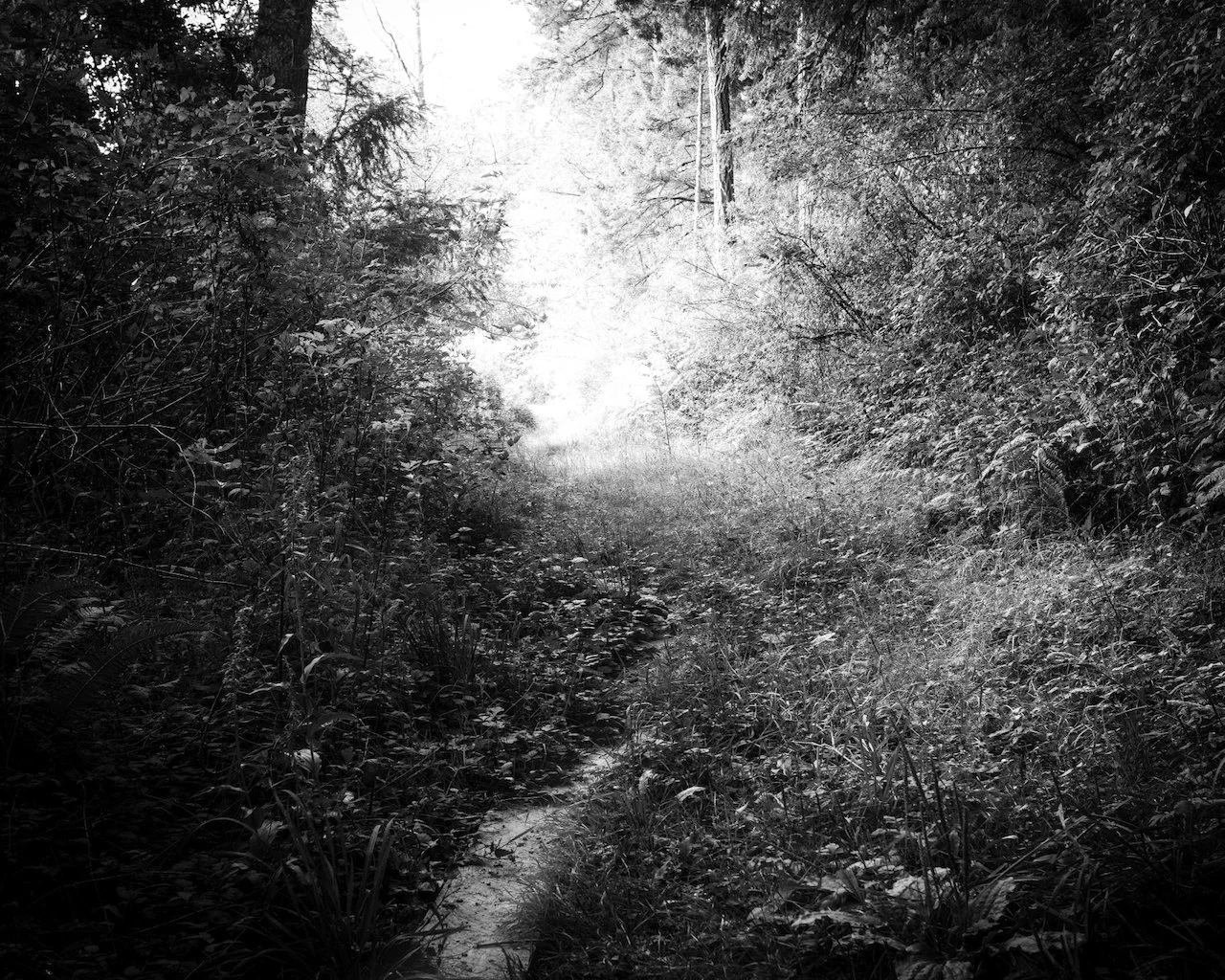
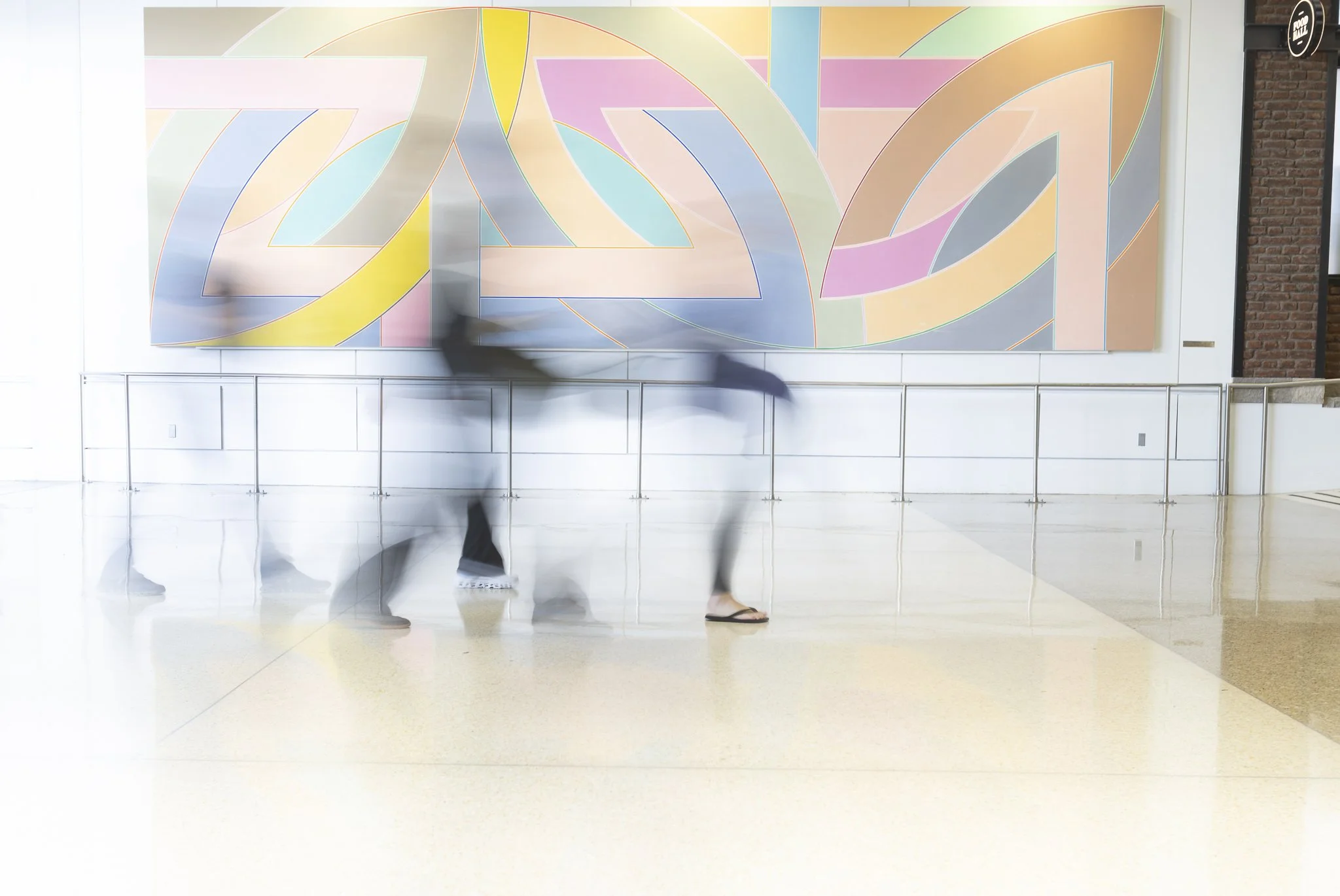
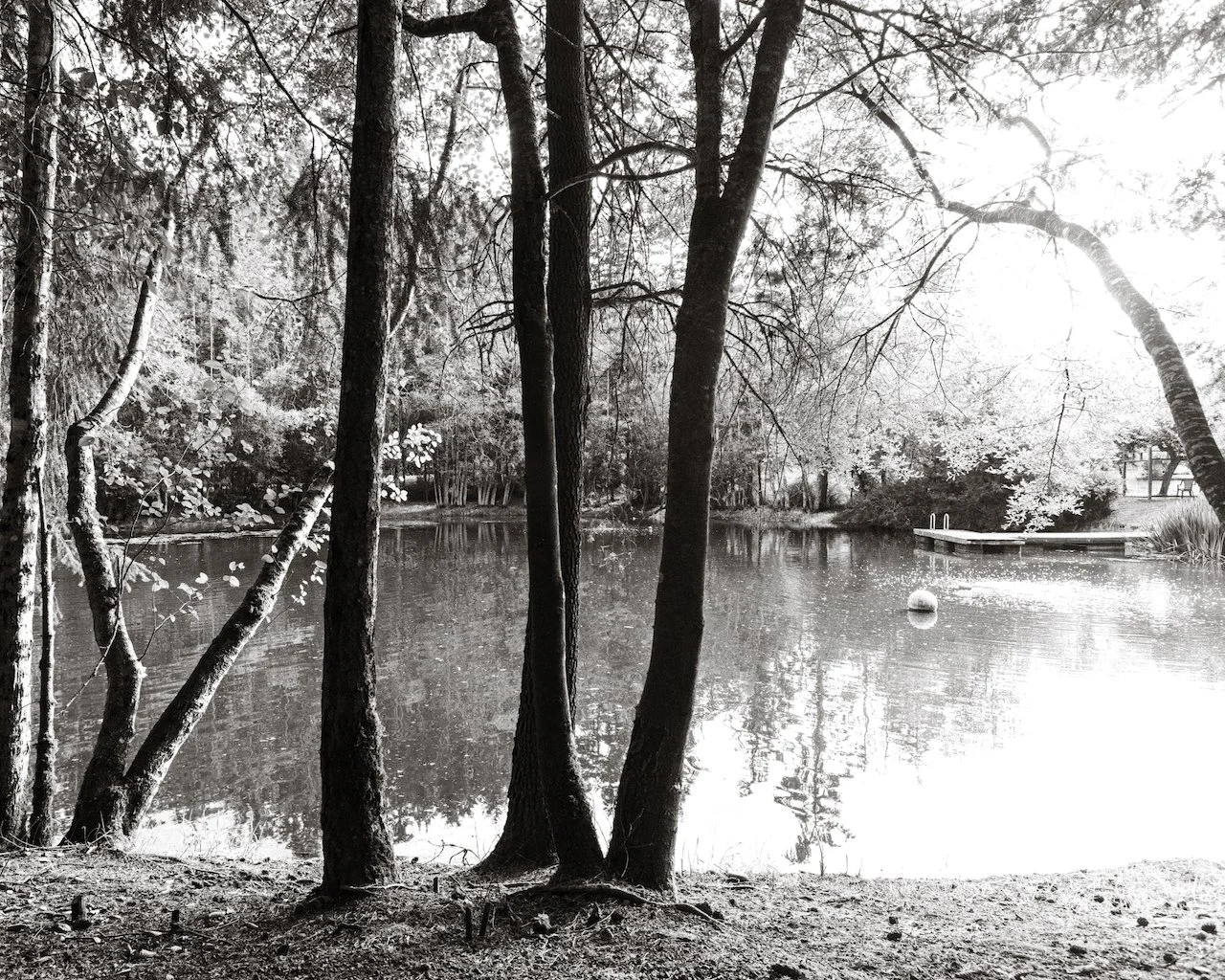
That resistance interests me.
It is also where story enters the photograph.
Story does not necessarily require narrative in the conventional sense. There does not need to be a person entering a room, an event unfolding, or a sequence explaining what happened. Sometimes story begins with uncertainty.
What am I looking at?
Where does this lead?
What exists beyond the frame?
The photographer can answer those questions or leave them open. Scott McCloud writes in his book Understanding Comics: The Invisible Art That Closure is the act of leaving the ending open and inviting the viewer’s own narrative.
I increasingly prefer the latter.
One observation in the old critique of Ninja struck me in particular. The editors challenged the familiar definition of photography as “writing with light.” They suggested that photography might just as reasonably be understood as creating with shadow.
That idea feels more significant to me now than it probably did when the photographs were made.
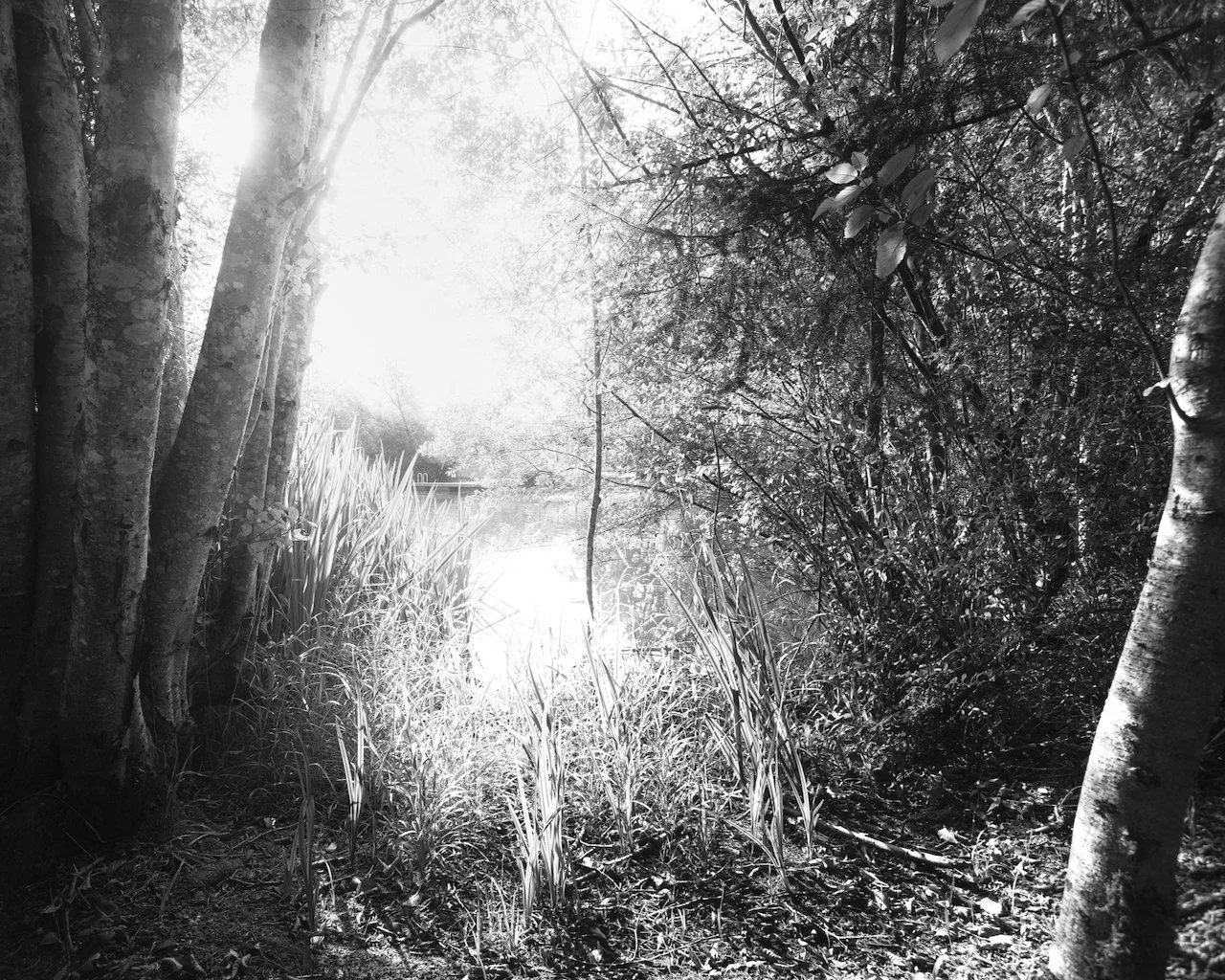
Light reveals, but it also conceals.
Shadow can describe form, but it can also remove information. A bright area can become as impenetrable as darkness. The boundary between the two can turn an ordinary surface into something uncertain.
Much of what I am photographing now seems to exist along that boundary.
I find myself looking for a single point of clarity while allowing the rest of the frame to fall away. I am drawn to the place where sharpness becomes softness, where illumination disappears into shadow, where recognizable form begins to dissolve.
The photograph becomes less about documenting the thing in front of the camera and more about controlling how much of that thing I am willing to reveal.
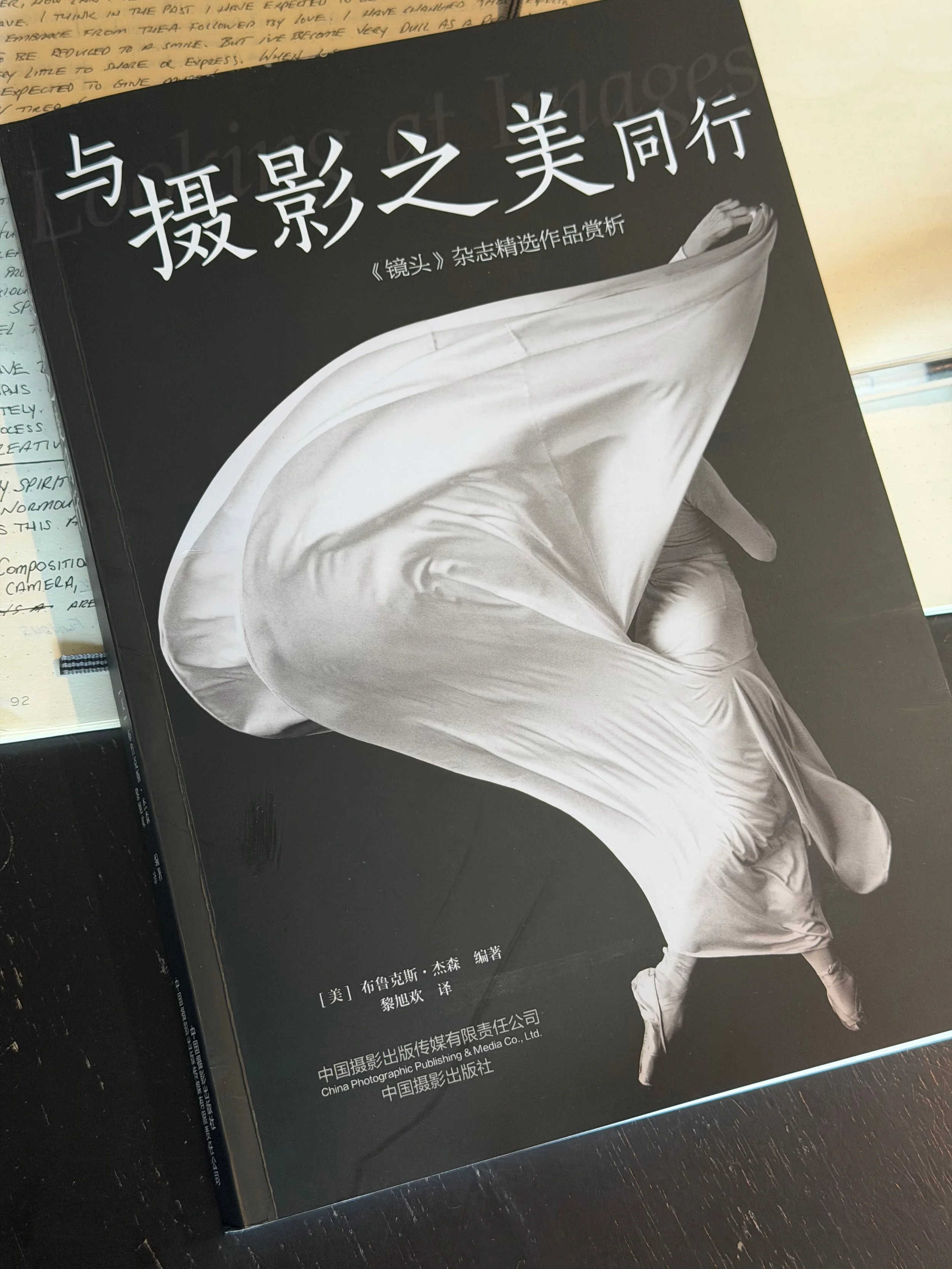
与摄影之美同行 (Journeying with the Beauty of Photography)
A Chinese collection of selected work and commentary from LensWork, edited by Brooks Jensen and published by China Photographic Publishing & Media Co., Ltd.
The photograph becomes less about documenting the thing in front of the camera and more about controlling how much of that thing I am willing to reveal.
Perhaps that is why discovering this old Chinese publication felt less like looking backward than I expected.
The materials have changed. The subjects have changed. My understanding of what I am doing has certainly changed.
But the underlying impulse appears remarkably consistent.
Take something from the world.
Place a frame around it.
Remove what is unnecessary.
Pay attention to line, balance, light and shadow.
Then stop before everything has been explained.
What remains is not simply an object.
It is an invitation for the viewer to finish the story.
