
Behind the Lens
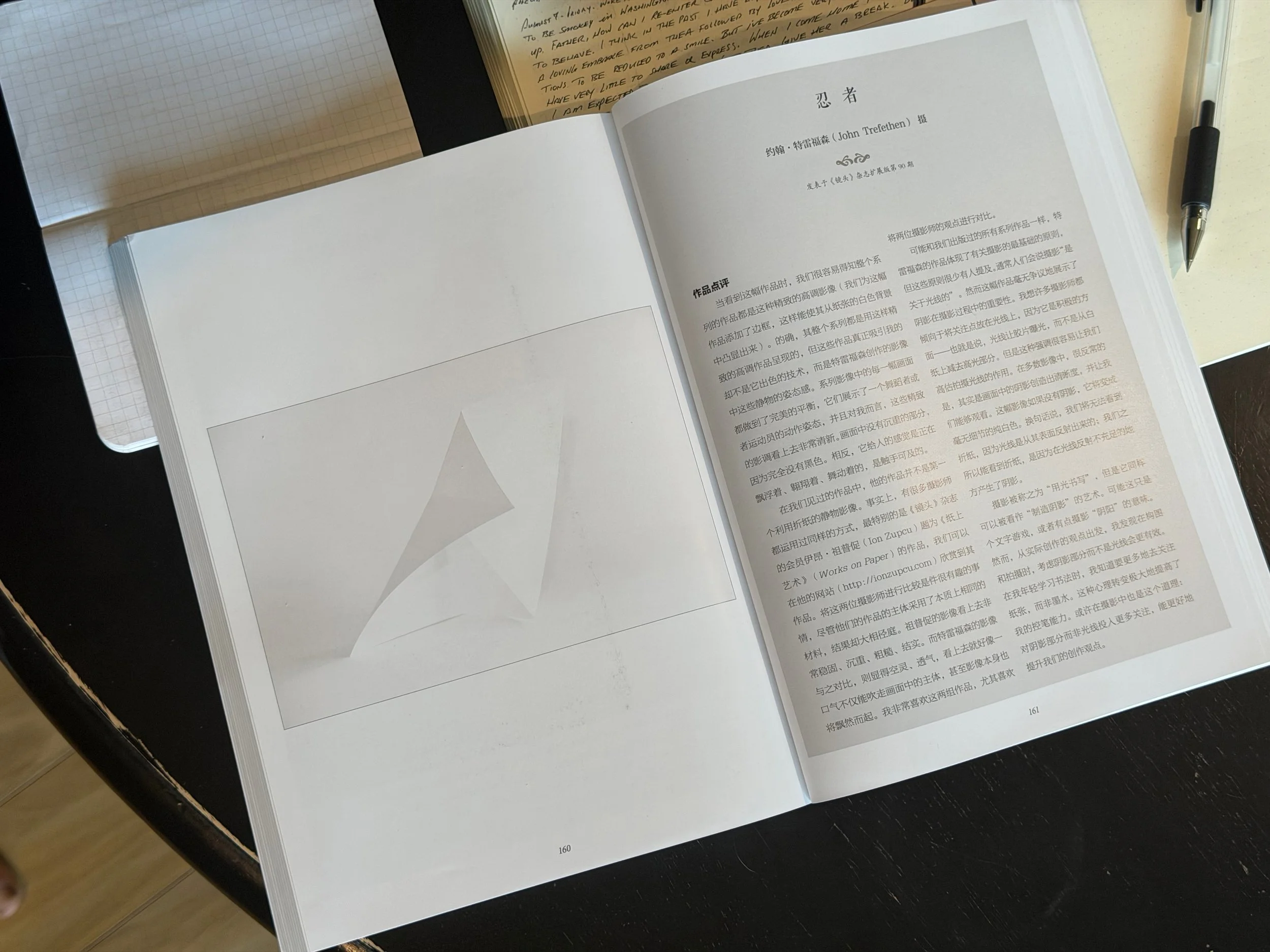
What Remains in the Frame
An unexpected encounter with a Chinese publication of my ORU Kami series brought me back to ideas that have quietly persisted throughout my photography. From ORU Kami to the photographs I am making today, I keep returning to the same process: isolate, reduce, remove context, and allow light, shadow, line, and form to transform the familiar into something less certain. Perhaps the story in a photograph is created as much by what we choose to exclude as by what remains. But most fascinating is the story the viewer creates when viewing the images.
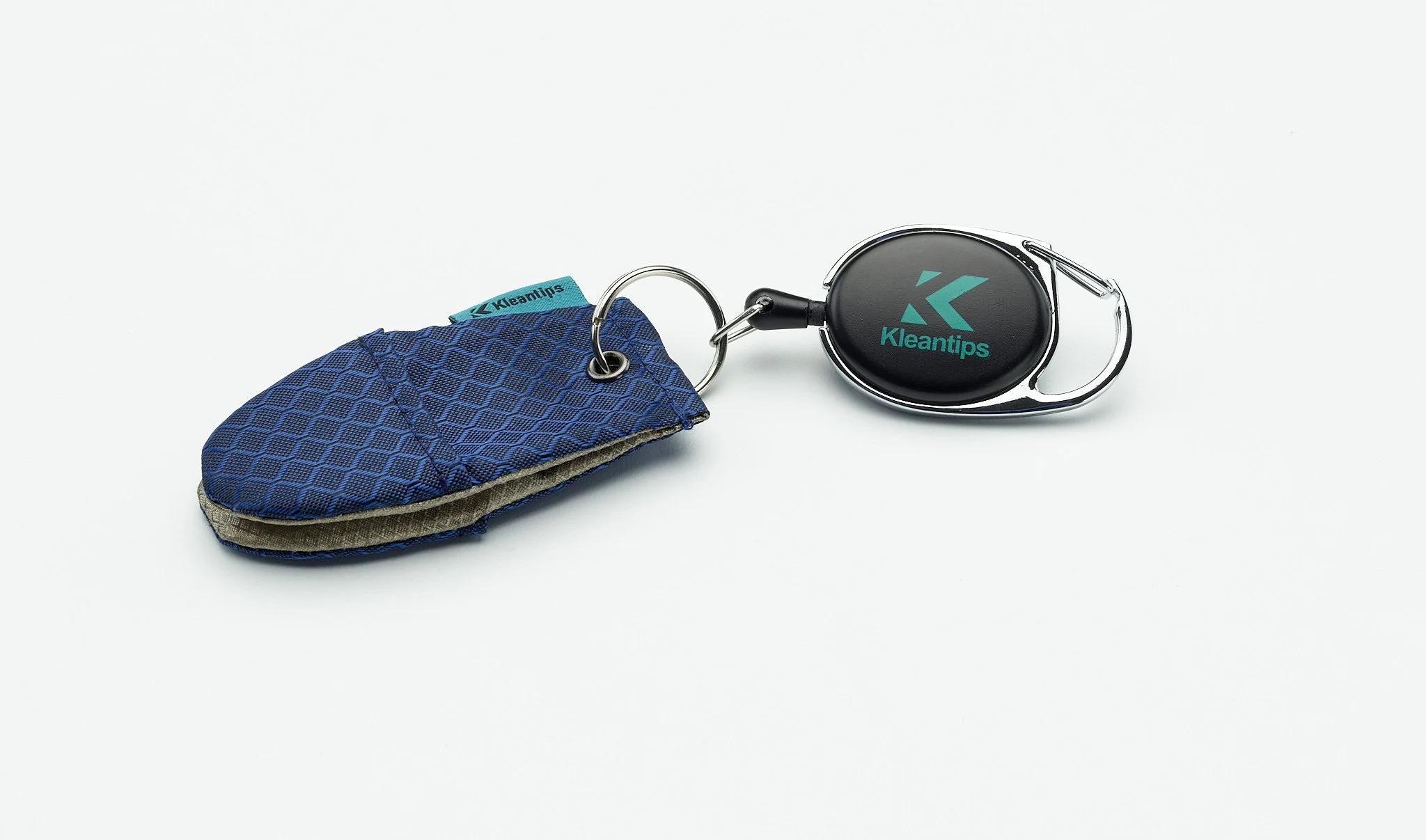
Designing a Better Point of Contact
Kleantips began with a simple question: could a compact everyday object reduce direct contact with frequently touched surfaces without interfering with the way we naturally move through the world? Combining copper and nickel antimicrobial conductive fabric with an intuitive, pocketable form, Kleantips operates door handles, keypads, and compatible touchscreens while serving as a reusable contact barrier. The project explores how material intelligence, thoughtful ergonomics, and accessibility can turn a small object into a useful part of daily life.
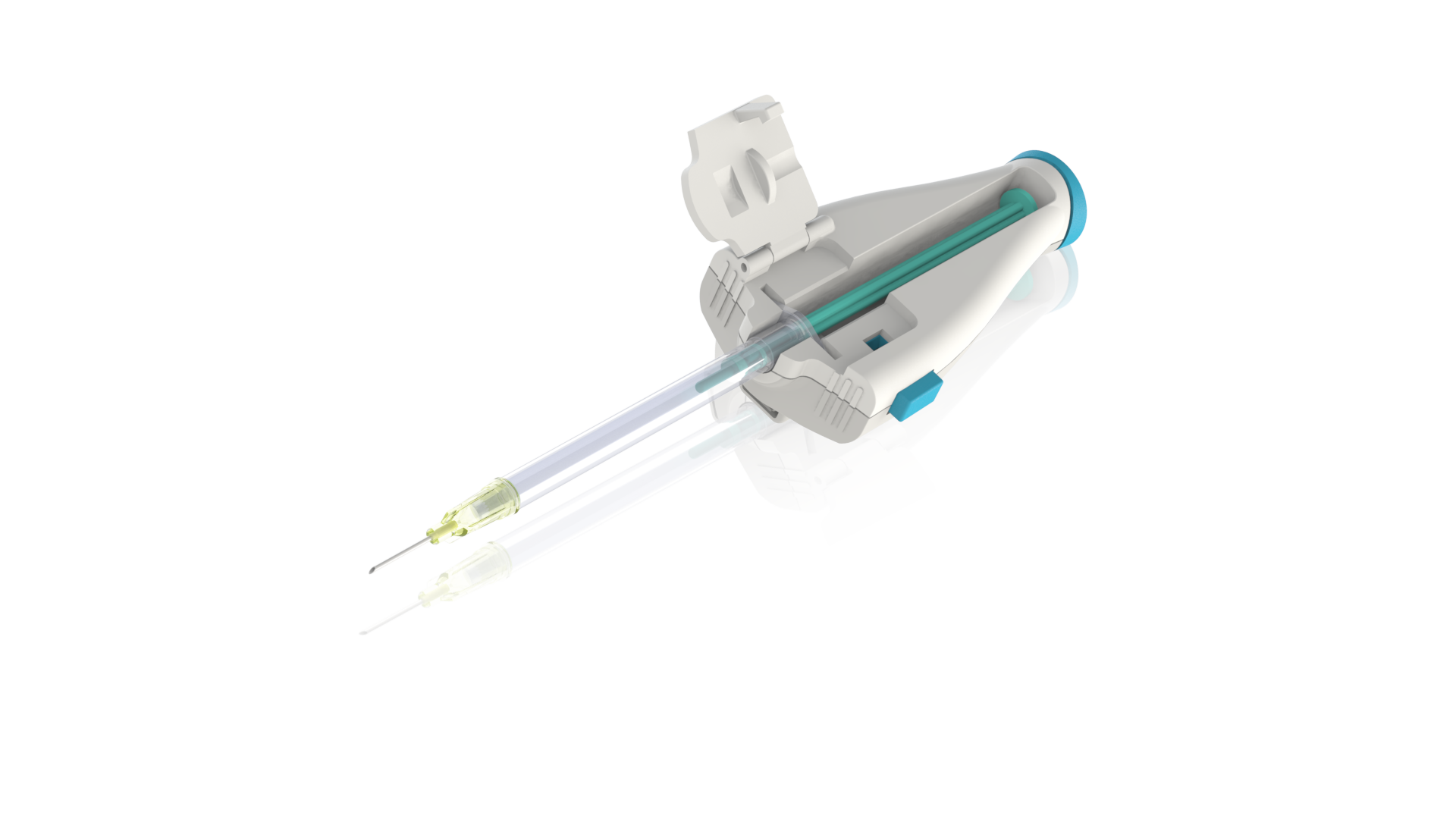
Precision With Every Click
How can practitioners deliver a series of small injections consistently without pausing to estimate each dose? RiteDose is a patented, reusable injection assist tool that transforms syringe movement into precise, repeatable increments. Designed to fit naturally in either hand, it combines tactile feedback, ergonomic control, and systematic delivery to reduce procedural complexity and allow greater attention to anatomy, technique, and patient comfort.
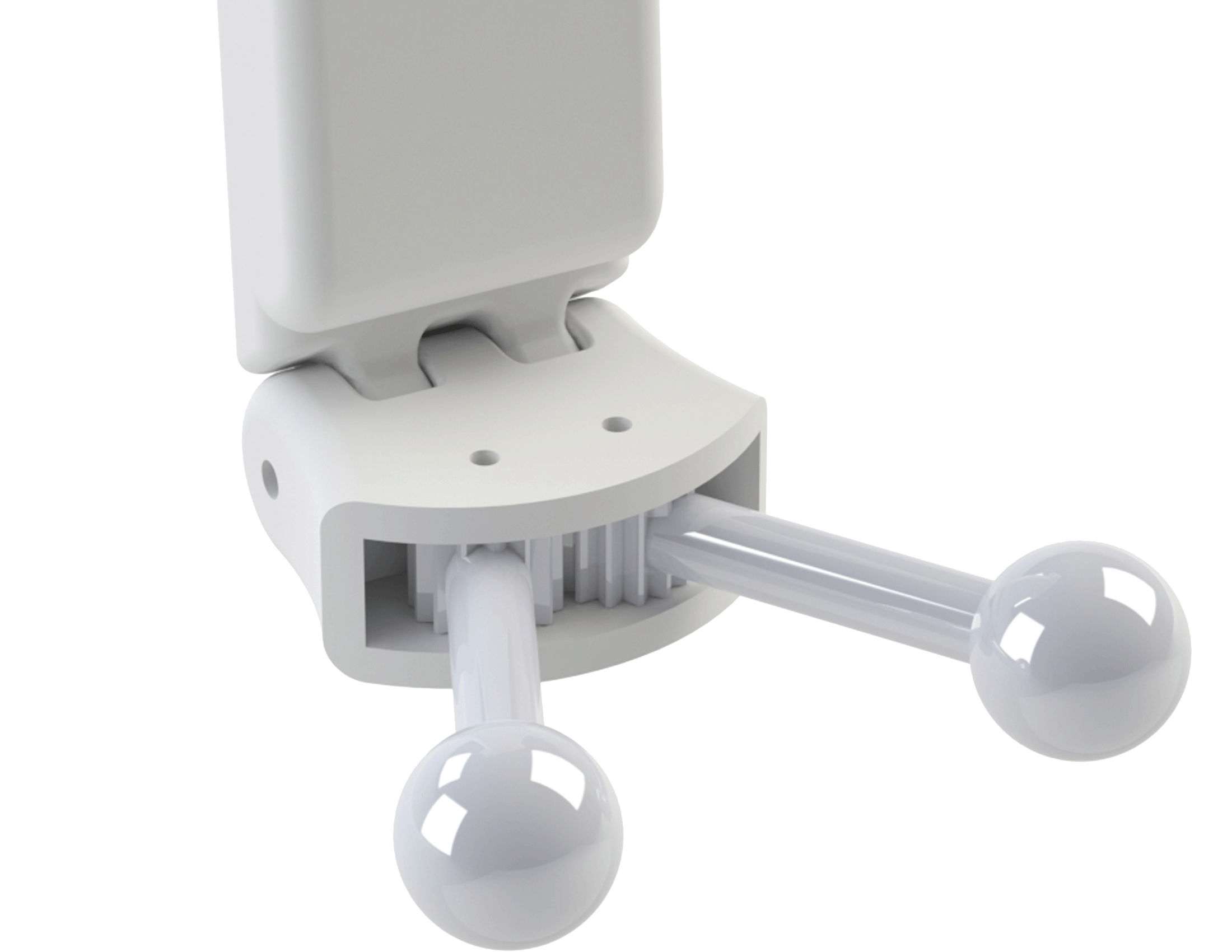
Designing for a Face in Motion
How do you hold a patient’s eyes steady while allowing them to speak naturally during an eye examination? Developed for Topcon Healthcare’s Chronos binocular refraction system, this patented positioning apparatus replaces conventional chin support with an adaptive forehead and cheekbone interface. The design accommodates variations in facial form, stabilizes the eyes, and leaves the jaw free to move, demonstrating how careful observation can turn a subtle human challenge into meaningful product innovation.